Tessa Kovac
Looking for the most reliable supercar? The public records here cannot name one. NHTSA recall and owner-complaint counts show what to check on eight car groups. They do not measure how often those cars fail. Compare recall, warranty, and service evidence first. Then check one car's VIN, invoices, and condition before trusting its reputation.
Contents 11 sections
Which supercar has the best reliability?
By model, nobody ranks them. By brand, the release text we captured from J.D. Power's 2026 Vehicle Dependability Study names two makers from our list. Porsche ranks third among premium brands, at 182 problems per 100 vehicles, and Chevrolet third in the mass market, at 178. The industry average is 204, and lower is better.
J.D. Power is a commercial survey firm, and its scores cover every model a brand sells. The study measured 2023 models after three years of ownership. It does not name Acura, Audi, Nissan, Lamborghini, Ferrari, or McLaren.
NHTSA and the carmakers give model-specific records, but no comparable failure rates. Use the table to find questions, not a winner.
What the public records show for eight supercars
Counts come from NHTSA's recalls and complaints databases, queried by model name and model year on September 18, 2026. The Corvette C8 is a mass-market comparison car.
| Car | Model years checked | Recall campaigns | Owner complaints | New-car warranty | Certified used cover |
|---|---|---|---|---|---|
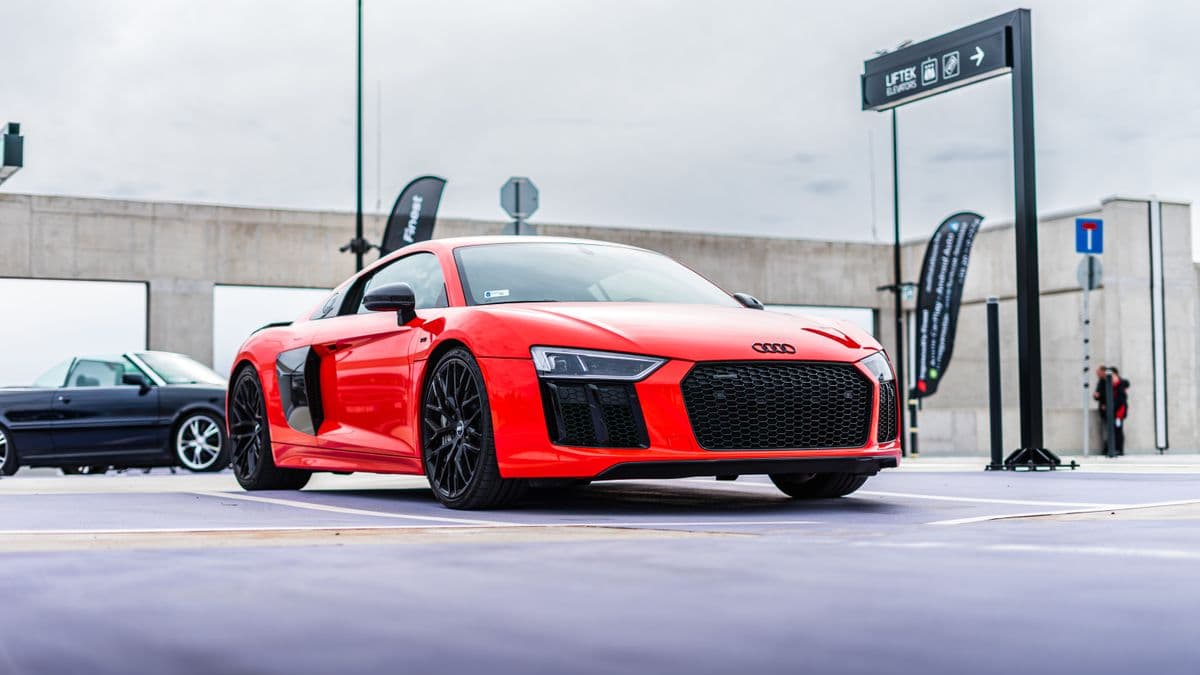
| Audi R8, second generation | 2017 to 2022 | 3 | 2 | 4 yr / 50,000 mi | Audi CPO: 1 yr / 20,000 mi, after the new-car warranty |
| Nissan GT-R (R35) | 2017 to 2022 | 2 | 1 | 3 yr / 36,000 mi; powertrain 5 yr / 60,000 mi (2020 booklet) | Nissan Certified: to 7 yr from new / 100,000 mi; brand-wide, GT-R not named |
| Acura NSX, second generation | 2017 to 2022 | 4 | 7 | 4 yr / 50,000 mi; powertrain 6 yr / 70,000 mi (2021 booklet) | Precision Certified (2019 terms): 24 months / 100,000 total mi, after the new-car warranty; powertrain to 7 yr / 100,000 mi |
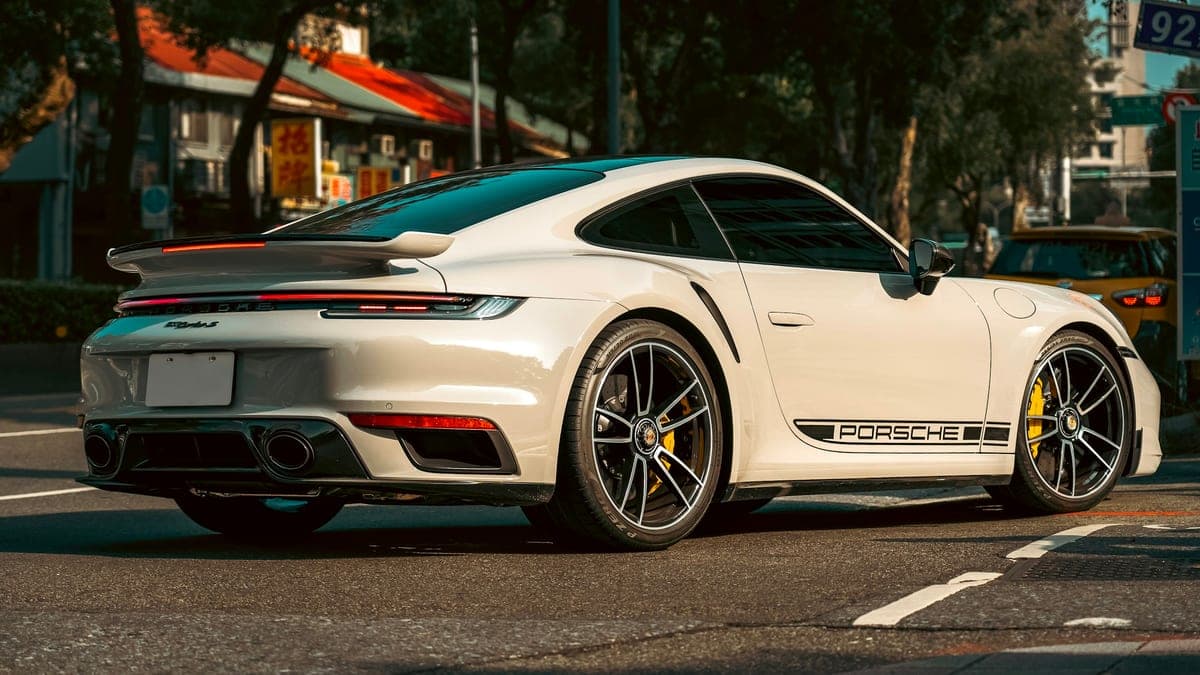
| Porsche 911, all versions | 2017 to 2022 | 23 | 32 | 4 yr / 50,000 mi | Porsche Approved: 2 yr / unlimited mi, after the new-car warranty |
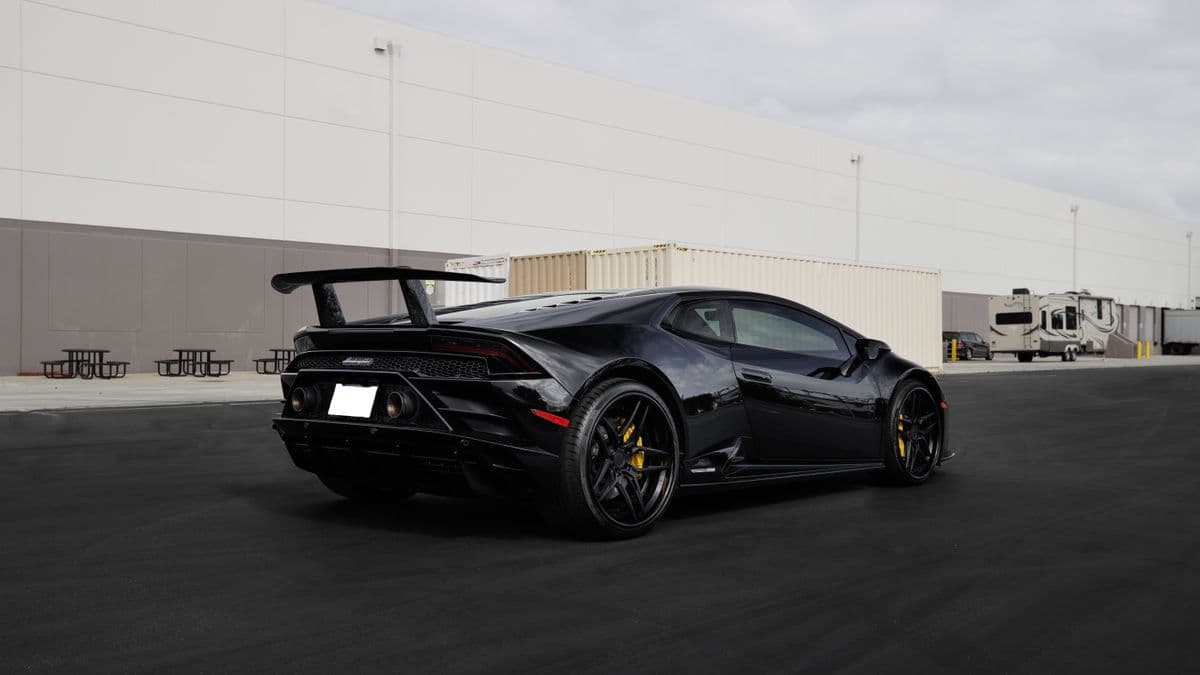
| Lamborghini Huracán | 2017 to 2022 | 5 | 1 | 3 yr / unlimited mi (international page) | Selezione: at least 12 months; cars up to 10 yr old and 70,000 km |
| McLaren 570S and 570GT | 2017 to 2020 | 3 | 4 | 3 yr / unlimited mi (current new McLarens) | Qualified: 12 months, extendable to 24 |
| Ferrari 488 and F8 | 2017 to 2022 | 5 | 8 | 3 yr / unlimited mi | Ferrari Approved: at least 24 months (US page); cars registered within 14 yr |
| Chevrolet Corvette C8 (comparison) | 2020 to 2022 | 6 | 66 | 3 yr / 36,000 mi; powertrain 5 yr / 60,000 mi (2020 booklet) | GM CarBravo: 12 months / 12,000 mi, after the factory warranty |
Treat the counts as lower bounds. NHTSA files the same car under several model names, and we counted each campaign or complaint once across all of them. Porsche complaints sit under the whole 911 family, Carrera to GT3, and NHTSA holds 570S and 570GT records for 2017 to 2020 only.
Warranty terms are each maker's current terms unless a booklet year is shown, and Lamborghini's vary by country. They show how much repair risk a maker will carry. Confirm the terms that apply to the exact car by VIN.
Keep each measure in its own lane
The recall column counts campaigns returned by the model-name and year searches. A campaign can cover a small group of cars or many cars across several models. The complaint column counts reports submitted by owners. NHTSA does not verify those reports as a fleet failure study. Adding the two columns would mix different events and still leave the number of cars exposed unknown.
The model groups also differ. The Porsche row covers the wider 911 family. The McLaren row combines 570S and 570GT records for fewer years. The Corvette C8 enters as a comparison car with a larger market presence, not as a matched supercar cohort. A row with a small count may reflect a small fleet, a naming gap, a short period, or fewer reports. The table cannot choose among those explanations.
Use the row to create a VIN-specific request. If a campaign concerns a gearbox, ask the dealer whether it applies to that VIN and whether the remedy was completed. If an owner report names a hinge, ask the inspector to check the hinges on the exact car. Keep the campaign record, owner report, dealer answer, and inspection finding separate. Each has a different evidentiary weight.
What the recalls cover
A recall is a safety or compliance campaign, and several here cover many models at once.
- Audi R8. 18V639 covers gearbox oil escaping from a vent hose on 2017 to 2018 cars. 19V014 covers a driver air bag inflator on 2017 cars, and 22V225 low gearbox oil on certain 2021 to 2022 cars.
- Nissan GT-R. 21V402 covers a front steering knuckle or rear axle housing on 2021 cars. 19V654 is a rear camera campaign across many 2018 to 2019 Nissans. Our GT-R reliability note lists the GT-R campaigns we found by model year.
- Acura NSX. 18V599 covers loose circuit board screws in the high brake light, and 18V600 leaking fuel tank couplers. 20V314 and 23V858 are Honda fuel pump campaigns across many models.
- Porsche 911. The newest, 25V896 from December 2025, covers a rear camera image that may not show on 2020 to 2025 cars. 23V715 covers seat-mounted air bags on 2021 to 2022 Turbo S and 2022 Turbo cars with optional full bucket seats.
- Lamborghini Huracán. For 2017 to 2022, two campaigns, 22V081 and 23V826, concern headlight aim compliance. The others cover a cold-weather camera fault, low gearbox oil on 2020 to 2022 cars, and a 2022 door handle. Our Lamborghini reliability note lists the Huracán campaigns we found by model year.
- McLaren 570S and 570GT. 19V141 covers passenger air bag inflators. 20V231 covers fuel tank corrosion from a foam pad on 2017 to 2019 570GTs, and 21V561 brake banjo bolts on 2020 cars.
- Ferrari 488 and F8. 19V006 and 19V411 cover air bags, 19V090 a cracking fuel vapor separator, and 21V833 and 22V536 the brakes.
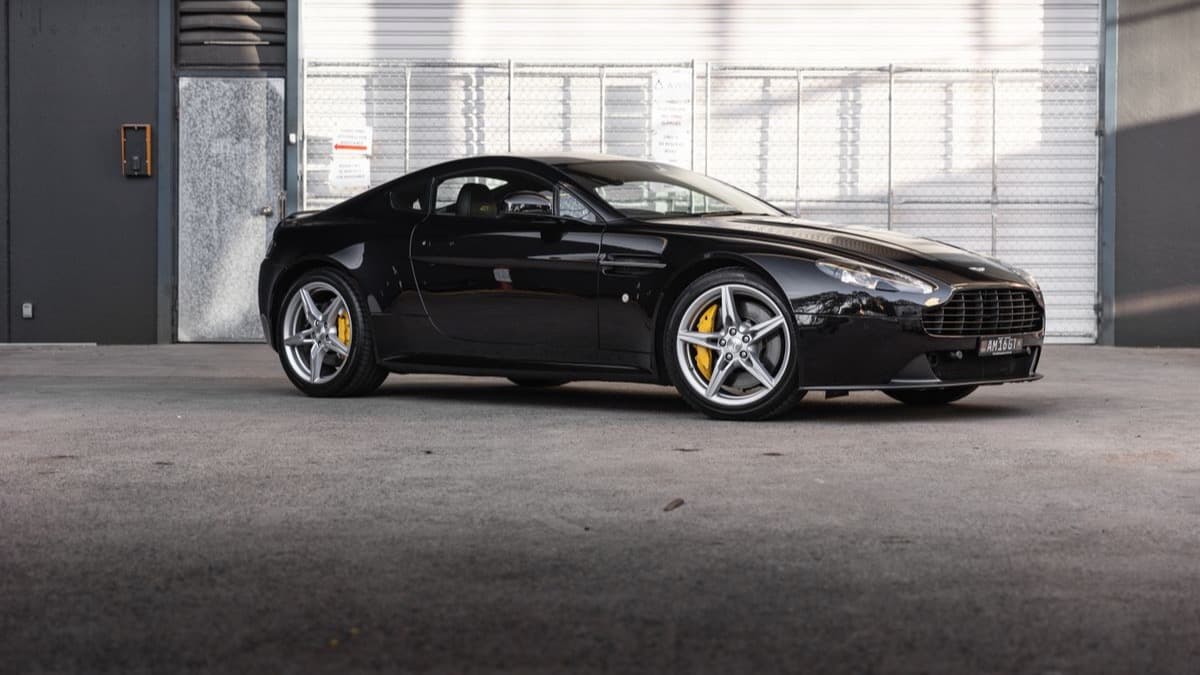
Each line covers one model family, not a whole brand. For the brand question, see Lamborghini reliability, McLaren reliability, Ferrari reliability, and Aston Martin reliability.
Why a low complaint count proves little
Complaint counts partly track how many cars are on the road. The Corvette C8 logged 66 complaints for 2020 to 2022 alone, more than all seven supercar families combined.
The volume figures we found point the same way. Acura said second-generation NSX sales passed 1,500 in the US by August 2021. Porsche delivered 40,410 911s worldwide in 2022 alone. Lamborghini built its 20,000th Huracán in April 2022, counting worldwide from 2014.
We found no US sales figures for the R8, GT-R, 570S, 488, F8, or Corvette C8. Without them, no fair complaints-per-car rate exists for this group.
Porsche's worldwide delivery figure and Acura's US sales figure use different markets and periods. They cannot turn these complaint totals into comparable rates. A low count does not clear a model or one car.
Even a rough rate needs a defined group of cars and a defined event over the same period. These records do not supply that matched group. Dividing worldwide Porsche deliveries by US complaint filings would produce a precise-looking but invalid number. The correct answer is narrower: the complaints identify systems to inspect, and the VIN record identifies campaigns to resolve.
Turn the records into an inspection brief
Use this worksheet for the exact listing. Write the VIN and version at the top, then keep each answer with its date and source. A missing answer stays at Check.
| Evidence to get | What it can establish | What it cannot establish |
|---|---|---|
| Full VIN and factory build record | The model, year, version, and original equipment to compare | Present condition or past maintenance |
| VIN recall result and dealer campaign record | Unrepaired recalls shown by the lookup, plus dealer-confirmed work for that VIN | Every past recall, service job, or mechanical fault |
| Dated invoices against the correct service schedule | Which listed work has a matching record | That unrecorded work was done or that the car is sound now |
| Written specialist inspection | The condition observed and the systems tested on that day | A fault the shop could not inspect or a future failure rate |
| Written warranty or certified terms for the VIN | The cover and exclusions that apply to that car | A ranking of reliability or a promise that a claim will be paid |
Use the NHTSA VIN lookup for unrepaired safety recalls. It may omit recalls more than 15 years old unless a manufacturer offers more coverage. It also omits international vehicles and some small manufacturers. Ask the brand dealer to confirm the full VIN record. Follow any interim safety instructions before a test drive.
Start with the model's recalls and owner reports above. Tell the inspector which systems appear in them. Ask the shop to name what it tested, what it found, and what it could not check. If it finds work, get a written quote before setting your walk price. Keep asking prices apart from sold prices, and keep the comparable count beside any price range.
Consider two hypothetical listings. An R8 has a low raw complaint count in the table, but its seller cannot produce an invoice for claimed gearbox work. A 911 has more raw complaints across its wider model family, but its seller supplies a dated service file and a dealer campaign record. Neither count tells you which car is more reliable. The R8 stays at Check until the work is verified. The 911 can move to an independent inspection; it has not earned a purchase decision yet.
Suppose the R8 seller later sends the gearbox invoice. Read its VIN, mileage, stated fault, parts, and follow-up test. If it only names a part, ask what problem led to that job and whether the same issue returned. Give the file to a specialist who can test the car now. The raw complaint count did not close the question. The invoice and inspection may.
Suppose the 911 inspector finds a fault that was absent from the service file. The stronger paper trail still matters, but the new finding changes the purchase case. Request a diagnosis and written quote before setting a walk price. A clear dealer campaign record closes the recall question; it does not clear an unrelated mechanical fault. Both cars can remain at Check while their open items are defined. For a used 911, our note on the best Porsche 911 years to buy starts with two Carrera shopping shortlists.
After those checks, compare each car with completed sales of the same version and condition. Record sale dates and counts beside a range. Keep unknown work outside any claimed repair total until a specialist prices it. Reliability reputation can help you decide which systems deserve attention. It cannot price a missing inspection or turn two unrelated models into equal sale comparables.
What is the least reliable supercar?
No public source names one. The records do show where each car's complaints cluster, and those clusters tell you what to inspect.
- Ferrari 488 and F8. Five of 8 complaints involve the brakes, the same system as the two brake recalls. Ask for proof both were done where they apply.
- Porsche 911, 2022 models. Owner complaints describe fuel-line leaks on top of the engine in 6 of 10 reports. We found no matching recall for the 2020 to 2022 911 names we queried. Have the inspector check for fuel smell and wet lines.
- McLaren 570S. Two owners report fractured door hinges, on 2017 and 2019 cars. Our cheapest McLaren note covers what to ask about them.
- Acura NSX. Two owners report fuel pump module failures, and both Honda fuel pump campaigns cover NSXs. Our NSX Gen 2 pre-purchase inspection guide goes further.
Which supercar is the cheapest to maintain?
No carmaker publishes maintenance costs, so no source names the cheapest. The published schedules differ a lot. The GT-R's runs every 6,000 miles or 6 months, and Ferrari's plan runs every 12,500 miles or once a year.
An interval is a schedule, not a bill. It cannot tell you what a local shop will charge, what parts are worn, or whether a prior owner completed the work. Pull the correct schedule for the VIN and mark each due item against invoices. Then ask the specialist to identify work needed now and quote it. That produces a purchase-specific cost list instead of an unsupported “cheapest to maintain” ranking.
- Audi R8. Audi's 2020 schedule runs in 10,000-mile steps, with brake fluid every 2 years and spark plugs at 60,000 miles or 6 years.
- Nissan GT-R. The 2020 service guide adds Performance Optimization inspections at 1,000 miles and at 12, 24, and 36 months. They are a condition of warranty, done at GT-R certified dealers.
- Ferrari. The 7-Year Genuine Maintenance plan covers scheduled service, including on pre-owned Ferraris bought at an official dealer. It covers only a car's first 7 years, so a 2017 to 2019 488 is already past it.
- McLaren. Service every 12 months or 9,000 miles, per McLaren's extended service plan terms.
- Acura NSX. A Maintenance Minder sets the timing, with an oil change at least once a year, per Acura's 2017 NSX owner's guide. It's a hybrid, and Acura covers greater-than-normal battery capacity loss for 8 years or 100,000 miles.
- Porsche 911 and Huracán. We found no primary service interval.
Ferrari's extended warranty terms have changed. A June 2022 Ferrari release described Power15 cover from year 3 to year 15. Its current international warranty page describes extensions up to year 8. Ask the dealer which applies, on paper, before you pay.
How many miles can a supercar last?
No carmaker or regulator publishes a mileage lifespan for any supercar. The highest mileage cap in the used-car terms we found is 100,000 miles, from Nissan Certified and Acura's 2019 certified powertrain cover. Porsche Approved and Ferrari Approved set no mileage cap within their 2 years.
Nissan Certified takes cars up to 6 years old with under 80,000 miles. McLaren's US extended service contract is sold until a car is 15 years old, with under 75,000 miles.
How the car was driven matters more than the odometer. Acura's NSX warranty excludes damage from track or competitive driving. Launches and track days are laps on the clock that the odometer never shows.
Our Nissan GT-R reliability note shows how to read that history on an R35. The Audi R8 reliability guide does the same for the R8.
Deal, Check, or Walk on one car
The same rule works for any car in the table. Start from that car's recall list, its complaint pattern, its warranty or certified cover, and its service schedule.
| Call | When it fits |
|---|---|
| Deal | The NHTSA recall lookup is clear, and a dealer confirms on paper that each campaign for that car was done. The inspector has checked its complaint pattern. Any remaining warranty or certified cover is confirmed on paper. Dated invoices show no missed service interval. |
| Check | A recall shows open, or completion is unconfirmed. The complaint pattern is not yet inspected. An invoice gap runs longer than one interval, such as 10,000 miles on an R8 or 6,000 miles on a GT-R. Pause the deposit until the record answers it, or price the open work into your walk price. |
| Walk | The seller blocks an independent inspection. The VIN, title, or mileage conflicts. The complaint pattern turns up and the price does not move. |
For an R8, ask the dealer which campaigns apply to the VIN. Then match its invoices to Audi's 10,000-mile steps and 2-year brake fluid changes.
Car checks out? Run a free Value Check on the exact listing before you send a deposit. Then browse the market to see which models we cover.
Common questions
What is the best supercar for daily driving?
No source here ranks these cars for daily-driving reliability. Porsche Approved lists 2 years with no mileage cap after its 4-year, 50,000-mile new-car warranty. Ferrari Approved lists 2 years with no mileage cap on its US page. Confirm the cover for the VIN, then inspect the car and its service file.
What car is ranked #1 in reliability?
No supercar ranks first in the sources here. At brand level, J.D. Power's 2026 Vehicle Dependability Study ranks Lexus first among premium brands, at 151 problems per 100 vehicles. The study covers 2023 models after three years of ownership. It scores brands, so records on the exact car still matter more.
What is the most reliable supercar brand?
No source here ranks supercar brands. J.D. Power puts Porsche third among premium brands at 182 problems per 100 vehicles, against an industry average of 204. That score spans every Porsche model. In 2022 Porsche delivered more Cayennes, 95,604, than 911s. Check the 911's own NHTSA file and the exact car's records too.
Are supercars reliable?
The sources here do not measure supercar failure rates. NHTSA files show 1 complaint each for the GT-R and Huracán for 2017 to 2022. The 911 family has 32. A thin file is where the checking starts; the exact car's paper and inspection settle the buyer decision.
Which supercars have the lowest recall rates?
No source here gives a recall rate, because NHTSA does not publish how many of each car are on the road. By raw campaign count in our September 18 NHTSA queries, the Nissan GT-R had the fewest: 2 for 2017 to 2022. The Audi R8 and the McLaren 570S and 570GT had 3 each, with McLaren covering 2017 to 2020 only. The NSX had 4, the Huracán and the Ferrari 488 and F8 had 5 each, and the Porsche 911 family had 23. These are lower bounds, and some campaigns cover many models. A low count can mean a small fleet or a short period. Check the exact car's VIN on the NHTSA recall lookup either way.
What is the most reliable exotic car?
No public source here establishes a most reliable exotic car. The GT-R has 2 recalls and 1 complaint in the NHTSA queries for 2017 to 2022. The R8 has 3 and 2. These are raw records, with no comparable fleet-size or failure-rate measure. Use the model findings as inspection questions. Our cheap Huracán checklist shows how to check one listing.
Do not rely on Exotic Index alone. Always review title, service history, accident history, ownership records, seller documentation, and obtain an independent pre-purchase inspection before buying.
Exotic Index provides informational buyer-intelligence estimates, not appraisals, investment advice, financial advice, or offers to buy or sell vehicles.
Sources (25)
Sources and evidence limits
We reviewed the original data sources on September 18, 2026. We rechecked the interpretation and buyer steps on September 22, 2026:
- NHTSA: recalls by vehicle and NHTSA: complaints by vehicle, queried per model name and model year.
- NHTSA: VIN recall lookup.
- Audi USA: warranty and certified pre-owned terms.
- Audi USA: maintenance schedules, 2020 R8 Coupe.
- Nissan: 2020 GT-R warranty booklet.
- Nissan: 2020 GT-R service and maintenance guide.
- Nissan: certified pre-owned, terms and eligibility.
- Acura: 2021 warranty booklet.
- Acura: 2019 certified pre-owned release.
- Acura: 2017 NSX owner's guide, Maintenance Minder and warranty exclusions.
- Acura: NSX Type S release, August 2, 2021, second-generation sales.
- Porsche USA: warranty and Approved certified terms.
- Porsche: 2022 deliveries, released January 12, 2023.
- Lamborghini: warranty extension and Selezione.
- Lamborghini: Huracán number 20,000, April 21, 2022.
- McLaren: Qualified pre-owned.
- McLaren: extended warranty or extended service contract.
- McLaren: extended service plan terms (mclaren.com), service intervals.
- Ferrari: US warranty and maintenance.
- Ferrari: international warranty and maintenance page (ferrari.com), extension terms.
- Ferrari: "Ferrari extends its class-leading aftersales services," June 21, 2022, Power15.
- Ferrari: Approved pre-owned.
- Chevrolet: 2020 limited warranty and owner assistance booklet (chevrolet.com).
- GM CarBravo (carbravo.com), used-vehicle warranty terms, updated February 2026.
- J.D. Power, "2026 U.S. Vehicle Dependability Study," released February 12, 2026, a commercial survey firm's brand-level scores.
NHTSA recalls are VIN-specific safety and compliance campaigns, and they cannot show completion on their own. NHTSA complaints are unverified owner reports with no failure rate, and their counts scale with fleet size. Our counts are lower bounds, because NHTSA model naming is inconsistent, and they will change as new campaigns are filed.
J.D. Power is the only commercial source, and it scores brands only. Every other figure comes from NHTSA or a carmaker. Maker pages show current terms, which can differ from the terms when a given car was new. Acura's certified terms date from 2019, and Ferrari's extension terms have changed since 2022.