Tessa Kovac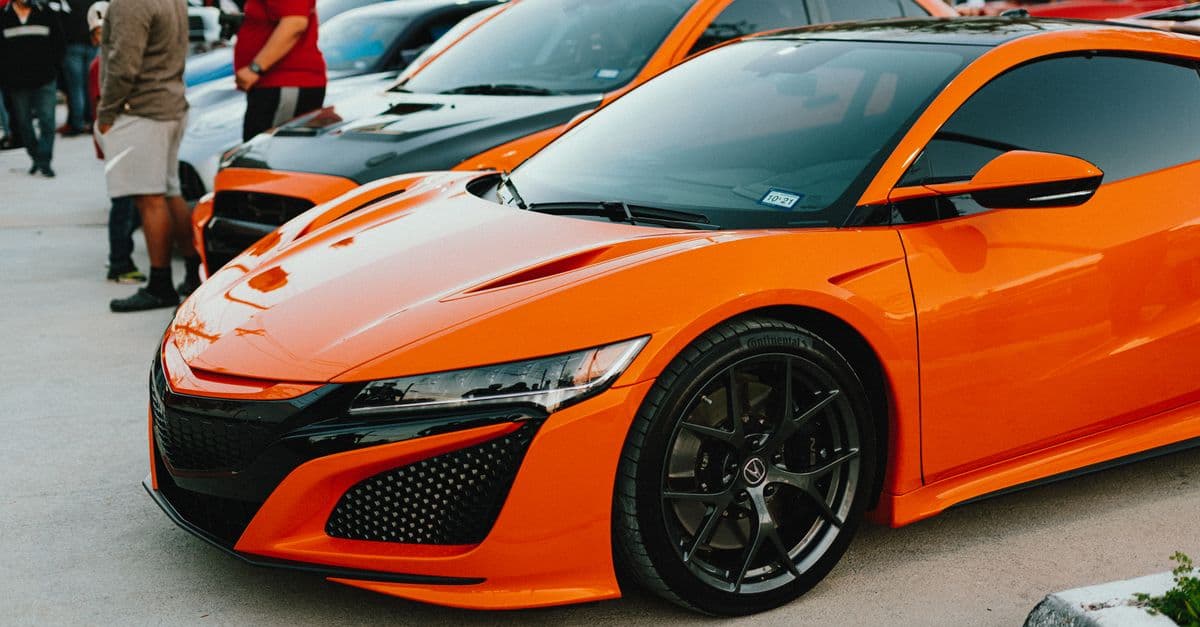
Start with invoices, not a phrase such as "full history." A useful service file ties each job to the VIN, date, mileage, work performed, and the shop that did it.
The FTC recommends an independent inspection even when a dealer says a used car is certified. The inspection can compare the paper with the car. It cannot create records that do not exist.
Keep each missing record visible. Do not fill it with hope.
Contents 6 sections
Build a record list
Ask the seller for scanned invoices, not only a summary. Sort them by date and mileage, then group them by routine maintenance, major repairs, modifications, bodywork, tires, and brakes.
Check that the VIN or plate, customer name where appropriate, and mileage agree with the car. A shop invoice may omit some details. Ask the seller or shop, with permission, to explain any unclear entry.
| Record | What it can show | What it cannot show alone |
|---|---|---|
| Routine-service invoice | Date, mileage, fluids, filters, and listed work | Condition of parts not inspected |
| Repair invoice | The reported fault and completed work | Whether every related issue is resolved |
| Tire or alignment invoice | Fitment, date, and named work | Current wear or alignment condition |
| Modification invoice | Parts and installer details | Current tune, setup, or quality of installation |
The paper should help you ask better questions at the PPI. It should not end the inspection.
Use the correct schedule
Find the manufacturer's service schedule for the exact model year and specification. A schedule from another generation, gearbox, or market may use different intervals.
Mark each listed service as documented, overdue by the available records, or unknown. A low odometer does not cancel time-based work. Ask the inspector which missing items need immediate attention and which need more evidence.
Do not claim that a missing invoice proves neglect. It proves the record is missing.
Compare the records with the car
Give the complete file to the inspection shop before it sees the car. Ask it to compare invoice claims with visible parts, service stickers, diagnostic findings where appropriate, fluid condition, tire date codes, and measured brake wear.
Request a written result that separates observed condition, verified work, seller statements, and unanswered questions. That split keeps a recent invoice from becoming a blanket promise.
The FTC says a history report does not replace an independent inspection. The same is true of a neat folder of invoices.
Check repairs and modifications with more care
For a major repair, ask why the work happened and what parts were fitted. Ask for the diagnosis and any follow-up work. For a modification, ask for the current parts list, installer, tune record if relevant, and any later reversals.
The NMVTIS vehicle-history report can help identify certain title, odometer, total-loss, and salvage data. It will not give you a complete service history. Keep title history and maintenance records in separate folders.
Decide what changes the deal
Price documented work with a written quote for the exact car. Keep unresolved faults and missing history at Check until a specialist can define them.
Walk if the seller refuses to share the records or stops a reasonable inspection. A cheap asking price cannot explain a file that will not open.
When you have the invoices and inspection result, Run a free Value Check. The estimate has a different job from the service file. See the NSX market page and NSX inspection checklist for a model-specific record brief.
Deal, Check, or Walk
| Call | Evidence | Next move |
|---|---|---|
| Deal | Invoices, schedule, and inspection findings agree | Price documented due work and continue. |
| Check | A major service or repair entry cannot be confirmed | Ask a specialist to define the missing work. |
| Walk | The seller will not share the records or permit inspection | Find another car. |
Exotic Index provides informational buyer-intelligence estimates. They are not appraisals, investment or financial advice, or offers to buy or sell a car.
Do not rely on Exotic Index alone. Always review title, service history, accident history, ownership records, seller documentation, and obtain an independent pre-purchase inspection before buying.
Sources (2)
Sources checked
Sources were checked on September 21, 2026. Use the manufacturer's documents for the exact year and specification.