Mara Ellis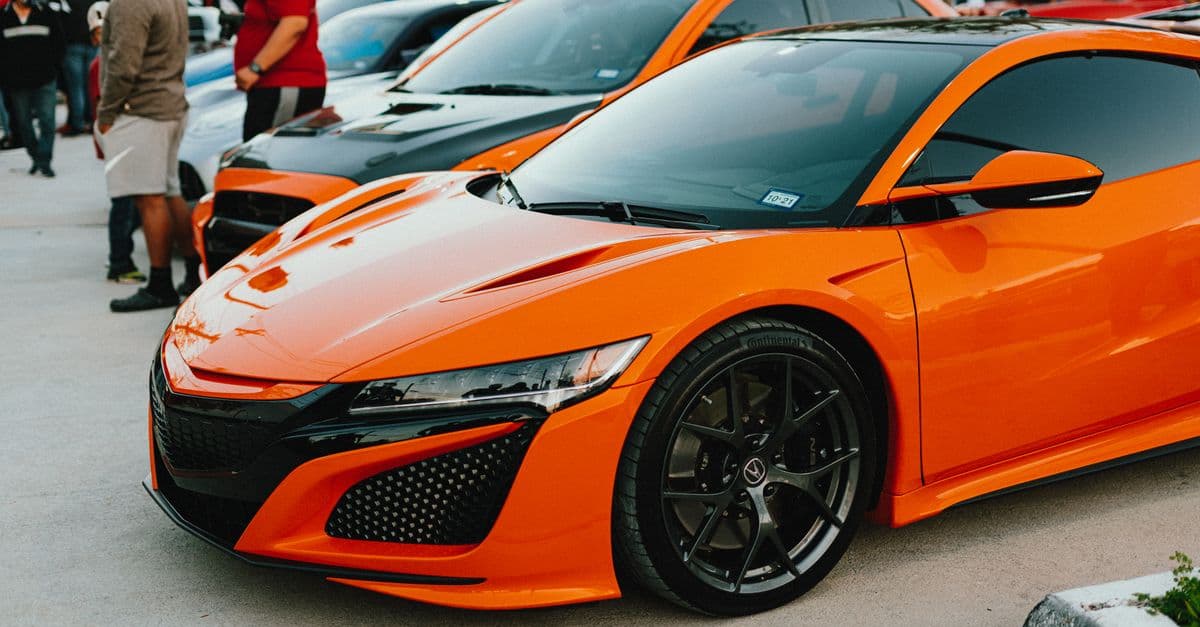
A second-generation Acura NSX needs a pre-purchase inspection that covers its hybrid system as well as its engine, transmission, body, brakes, and tires. Choose an independent inspector with experience of this NSX generation and access to the relevant diagnostic equipment.
Ask for a written report that separates observed condition, verified maintenance, and unanswered questions. A clean dashboard and low mileage are useful observations. They are not a complete inspection.
Here, Gen 2 means model years 2017–2022, including the 2022 Type S. Earlier NSX generations need a different inspection. This article is for U.S. buyers; buyers elsewhere need local title-history and recall resources.
In this guide 10 sections
Start by finding the right NSX capability
The Gen 2 NSX has a different inspection task from the earlier car. Familiarity with one generation does not establish familiarity with the other.
Acura's 2017 power-unit description identifies a twin-turbo V6, three electric motors, and a nine-speed dual-clutch transmission. Two motors drive the front wheels. Another assists the rear drivetrain.
Acura's 2020 specifications confirm the same basic layout. Ask the inspector to confirm the exact model year, trim, and installed equipment.
That layout makes “we checked the engine” an incomplete answer to a whole-car inspection request.
Before booking, ask the workshop:
- Who will inspect the car, and what Gen 2 NSX work do they perform?
- Can they inspect the relevant hybrid, transmission, and chassis systems with appropriate equipment?
- Which diagnostic results will appear in the report?
- What can they assess about the high-voltage battery, and what will remain untested?
- Can they assess the fitted brake type and inspect the underside safely?
- Which body or structural findings would need another specialist?
Agree on those limits in writing. A workshop that clearly describes its capability gives you a better basis for choosing than one that promises to “check everything.”
The FTC recommends an independent inspection even for a dealer-certified used car. Ask for the report and any repair estimates directly.
Confirm the exact car and equipment
Collect the vehicle identification number, or VIN, model year, trim, mileage, service invoices, and available original specification records.
Keep the 2022 Type S distinct from the earlier standard car. Acura's 2022 Type S equipment list lists carbon-ceramic brakes and a Lightweight Package among its options.
That list describes what was offered. It does not prove what is installed on a used car now.
Have the inspector confirm the current brake system, wheels, tires, and any relevant changes. Match repair quotes to that equipment. A quote for a different brake type will not answer your cost question.
Ask separately about body repairs, modifications, and parts replaced after damage. Photographs and invoices help the inspector decide where to look more closely.
Match maintenance reminders to invoices
The Maintenance Minder is a service reminder, not a record of completed work.
Acura's 2020 NSX Maintenance Minder guide describes oil-life messages and service codes. It also specifies brake-fluid replacement every three years, independently of the display.
This is a useful example of why mileage alone is not enough. For a 2020 car, ask for the dated brake-fluid invoice as well as the current service display. Use the correct documents for other model years.
Build a simple record list before the inspection:
| Item | Evidence to request | Question it answers |
|---|---|---|
| Current service reminders | Photograph of the displayed maintenance items | What is the car asking for now? |
| Completed maintenance | Invoices with dates, mileage, and work performed | What can the seller document? |
| Hybrid or drivetrain repairs | Complaint, diagnosis, repair details, and follow-up | Why was work done, and was the issue resolved? |
| Storage periods | Seller's account and related service records | Which gaps need discussion with the specialist? |
A recent oil change is welcome. It does not establish that every other due item was completed.
When a record is missing, label the work unconfirmed. The specialist can then explain what current checks or service would help. Avoid turning an absent invoice into either proof of damage or proof that nothing matters.
Quiet operation can be normal
An NSX that moves quietly or starts and stops its engine may be doing what it was designed to do.
Acura's 2017 driving-mode explanation describes electric-only operation at lower speeds in Quiet mode. The engine starts when power demand requires it. Mode selection also changes transmission and other vehicle responses.
The inspection should distinguish those expected behaviors from a fault. Ask the technician to identify the selected mode and operating conditions when describing a concern.
This also works in the other direction: quiet movement alone does not measure remaining battery capacity or prove that every hybrid component is healthy.
Let the inspector select a safe road-test plan for the exact car. You need a useful assessment, not a demonstration of maximum acceleration.
Ask what the hybrid assessment actually includes
“Hybrid checked” is too broad to explain what you are buying.
A useful report names the systems examined, records relevant diagnostic findings, and states which tests were performed. Ask whether any fault required further diagnosis and whether the inspection could reproduce the reported symptom.
If someone supplies a battery-health percentage, ask what test produced it, what it measures, and how the result was interpreted. A number without that context does not answer a lifespan question.
Keep the 12-volt battery check separate from the high-voltage battery assessment. Acura's 2020 dashboard guide identifies a separate 12-volt battery charging indicator. Ask the workshop to state which battery it checked and what each check established.
Acura's 2019 high-voltage safety guidance directs high-voltage maintenance and repair to an authorized Acura NSX dealer. Do not open or touch high-voltage components yourself. This buyer brief is not a battery-testing procedure.
The outcome may be reassuring current findings. It may be a recommendation for a more focused assessment. Neither is a guarantee of future battery life.
Inspect the expensive physical parts too
The hybrid system should not distract from the rest of the car.
Agree on a lift inspection that includes accessible underbody and structural areas, leaks, suspension condition, and repair evidence. Ask which covers or inaccessible areas limit the inspection.
For brakes, request the fitted type, measured or otherwise assessed condition, the method used, and any further specialist check required. Ask for quotes tied to the actual hardware.
For wheels and tires, request specification, condition, wear observations, and photographs of any damage. For the cabin, include air conditioning, windows, cameras, displays, locks, and supplied keys.
These are inspection requests, not a list of faults that every NSX develops. A useful report can confirm good condition as clearly as it identifies a problem.
Read recall and title evidence for what they cover
Run the exact VIN through the NHTSA recall lookup, then ask an Acura dealer to confirm applicable campaigns and completion records.
NHTSA explains that its VIN lookup has limits. Completed recalls and some newly announced recalls may not appear. A result showing no open recall does not certify the hybrid system's condition.
The National Motor Vehicle Title Information System covers title, title-brand, odometer, total-loss, and salvage information. It does not replace service records or a physical inspection.
Keep those findings separate in your notes. One favorable result cannot answer every question about the car.
Decide which findings change your next step
The most useful report separates work you can price from problems you still cannot define.
Consider this example: a low-mileage NSX has no current warning, no recent brake-fluid invoice, and a seller's claim that its hybrid battery is “perfect.” This is an example, not a real inspection.
| Finding | What it supports | Next step |
|---|---|---|
| No warning observed during the test | That observation under the stated test conditions | Read the diagnostic scope and limits |
| Brake-fluid service is undocumented | The record is incomplete | Check the correct schedule and request an invoice or service quote |
| Battery is described as “perfect” | A seller's statement | Request the test method, result, and specialist interpretation |
The car may still be worth considering. The next decision rests on resolving the material questions, not repeating the seller's description.
Use Check while a significant finding needs an answer. If the seller refuses the access needed to investigate it, you can Walk. An attractive specification does not oblige you to accept unknown repair exposure.
A short message to send the inspector
I am considering this Gen 2 NSX: [VIN, year, trim, mileage, listing]. Please confirm your experience with this generation and the diagnostic scope you can provide. I would like the attached records reviewed, the fitted equipment confirmed, and the hybrid system, drivetrain, body, underside, brakes, tires, and cabin assessed. Please separate the 12-volt and high-voltage battery checks. Return findings, photographs, inspection limits, and quotes for identified work. Tell me which questions need further specialist testing.
Use the NSX market page only for the model group it identifies. Keep Type S and other specification differences explicit.
When you have the listing and the inspector's findings, run a Value Check. Read how Value Check works alongside it. A value estimate and an inspection answer different parts of the buying decision.
Sources checked
Sources were checked on September 11, 2026. Acura's documents apply to the named years and specifications. The inspection questions and example are Exotic Index's synthesis.
- Acura: 2017 NSX power-unit description.
- Acura: 2020 NSX specifications.
- Acura: 2020 NSX dashboard indicators.
- Acura: 2019 NSX high-voltage safety guidance.
- Acura: 2017 NSX driving modes.
- Acura: 2020 NSX Maintenance Minder.
- Acura: 2022 NSX Type S equipment and options.
- FTC: independent inspection guidance.
- NHTSA: recall lookup and its limits.
- NMVTIS: vehicle-history report coverage.
Exotic Index provides informational buyer-intelligence estimates, not appraisals, investment advice, financial advice, or offers to buy or sell vehicles. This guide does not replace an inspection of the car.