Tessa Kovac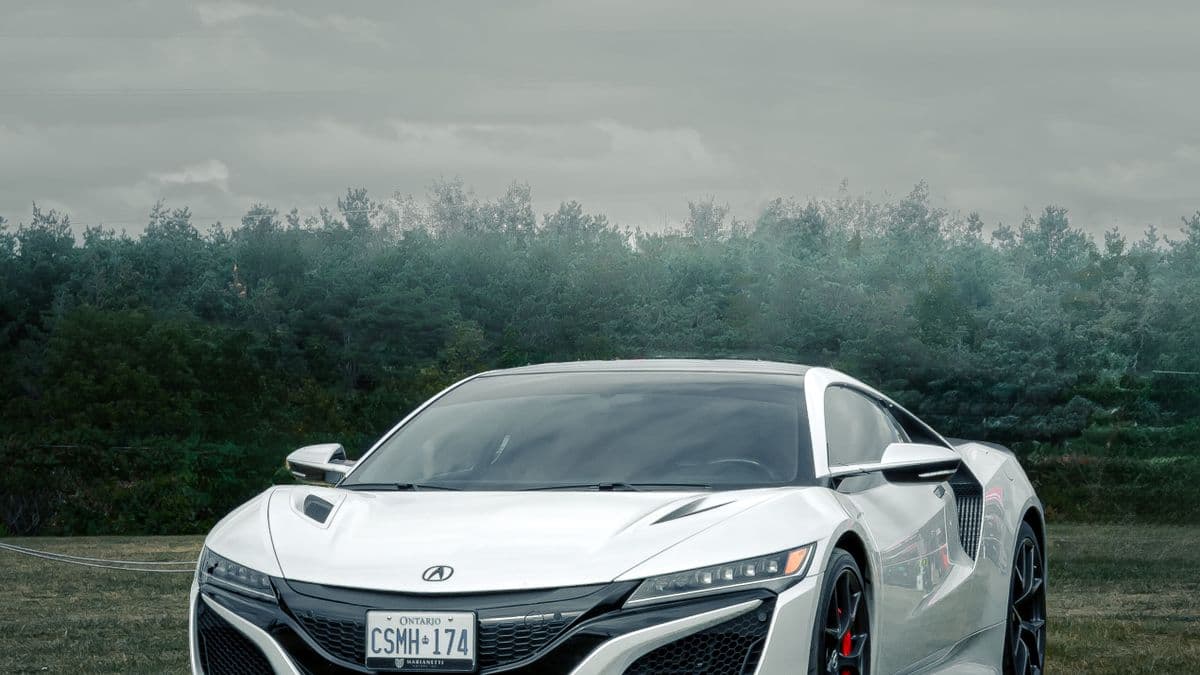
Ask for the complete service file before you price a second-generation Acura NSX. The car pairs a twin-turbo V6 with three electric motors and a nine-speed dual-clutch transmission. Low mileage does not show whether its scheduled work, warnings, or recall work are current. Match every record to the VIN, date, and mileage. Then let an NSX specialist inspect what the file cannot prove.
Contents 6 sections
What does the hybrid system change?
The second-generation NSX has more than an engine service history. Acura's 2017 power-unit description identifies three electric motors, a twin-turbo V6, and a nine-speed dual-clutch transmission. Two motors operate at the front wheels. Those are separate systems with records worth finding.
Start with identity. Ask the seller for the VIN, the model year, and every service invoice before you travel or send a deposit. Then ask an Acura or NSX specialist which records should exist for that exact year and use pattern.
An invoice that says only "service completed" is thin evidence. It does not say what the shop checked, what it found, or which fluids and parts it used.
Build the file in date order
Treat the invoices like a timing sheet. Every entry needs a date and mileage, in order.
Ask the seller for these five groups:
- Maintenance Minder records and the codes shown when the work was due.
- Engine, transmission, brake, tire, and coolant service invoices.
- Diagnostic reports for warning lights, stored faults, or hybrid-system messages.
- Repair orders for the high-voltage system, electric motors, hybrid battery and power electronics, or control units.
- Recall and warranty work, with the VIN and completion date.
Acura's 2020 Maintenance Minder material lists the system's maintenance messages and codes. Use the correct model-year document. A code can prompt a useful seller question, but it cannot prove the work was completed without an invoice.
Keep the original documents where possible. A spreadsheet made for the sale can help you read the sequence. It cannot replace workshop records.
Ask what happened after every warning
A cleared warning is not a repair record. Ask what message appeared, when it appeared, which shop read the car, and what the final repair order says.
Acura's owner material identifies high-voltage components and gives safety guidance for the NSX. That is a reason to keep hybrid-system work with a qualified specialist. It is not a reason to diagnose a high-voltage fault from a listing or a photo. Acura's 2019 safety document applies to its named model year. Confirm the procedure for the car in front of you.
Ask the inspector to report three things separately:
- what the records verify;
- what the diagnostic read shows now; and
- what remains unknown.
That last list matters. Missing scans, missing invoices, or a warning with no explanation all belong in the price discussion. A clean dash on one viewing is not the same evidence.
Check recalls by VIN
Run the VIN through the NHTSA recall lookup and save the result with the service file. NHTSA says its tool shows unrepaired safety recalls. It does not show all maintenance, accident, warranty, or repair history.
If the lookup shows an open recall, ask an authorized Acura dealer whether the VIN is eligible and what work remains. If the result shows none, keep going. A recall result is one safety check. It is not a service history.
What should a specialist inspect?
The service file can show that a shop recorded work. It cannot confirm present condition. A pre-purchase inspection, or PPI, is a paid check by a shop the seller does not choose.
For this NSX, ask whether the specialist can inspect the hybrid system, run an appropriate diagnostic read, and explain any active or stored faults. Ask for a written report on the powertrain, transmission, cooling, brakes, tires, body, underside, and road test when conditions allow.
The specialist should also identify gaps in the file. That is where a low-mileage car can get expensive. Mileage measures distance. It does not document storage, warning history, missed maintenance, or the cause of a prior repair.
Our NSX Gen 2 pre-purchase inspection checklist covers the wider inspection request. Use it with this record checklist, not instead of it.
Continue, check, or walk
| Verdict | When it fits |
|---|---|
| Continue | The VIN, dates, mileage, and invoices form a consistent service sequence. The specialist can read the car and finds no material unanswered issue. |
| Check | A warning, recall answer, record gap, or diagnostic result needs explanation or a written repair estimate. |
| Walk | The seller will not provide the VIN, the full service file, or an independent NSX specialist inspection path. |
You can love the hybrid system and still walk. A low asking price does not fill a missing file.
If the records hold up, compare the asking price with the right evidence in Value Check. Then review the NSX market page and how exotic-car price charts work before you treat any advertised number as a complete answer.
Do not rely on Exotic Index alone. Always review title, service history, accident history, ownership records, seller documentation, and obtain an independent pre-purchase inspection before buying.
Exotic Index provides informational buyer-intelligence estimates, not appraisals, investment advice, financial advice, or offers to buy or sell vehicles.
Sources (4)
Sources and evidence limits
We reviewed these sources on September 20, 2026:
- Acura: 2017 NSX power-unit description.
- Acura: 2020 NSX Maintenance Minder.
- Acura: 2019 NSX safety equipment.
- NHTSA: recall lookup.
Acura's sources explain the named system, maintenance messages, and safety material for their stated model years. NHTSA covers unrepaired safety recalls. Neither source establishes the service or condition of a specific used NSX. The record sequence, questions, and verdict table are Exotic Index's editorial buyer aids.