Tessa Kovac
Before buying a second-generation Acura NSX with carbon-ceramic brakes, confirm that the option belongs to the exact car. Then have an NSX specialist inspect the fitted parts and give you written findings for each corner. Ask for the method used to assess the pads and rotors, any repair history, and a quote for diagnosed work. A seller's photograph or a short test drive cannot close those questions.
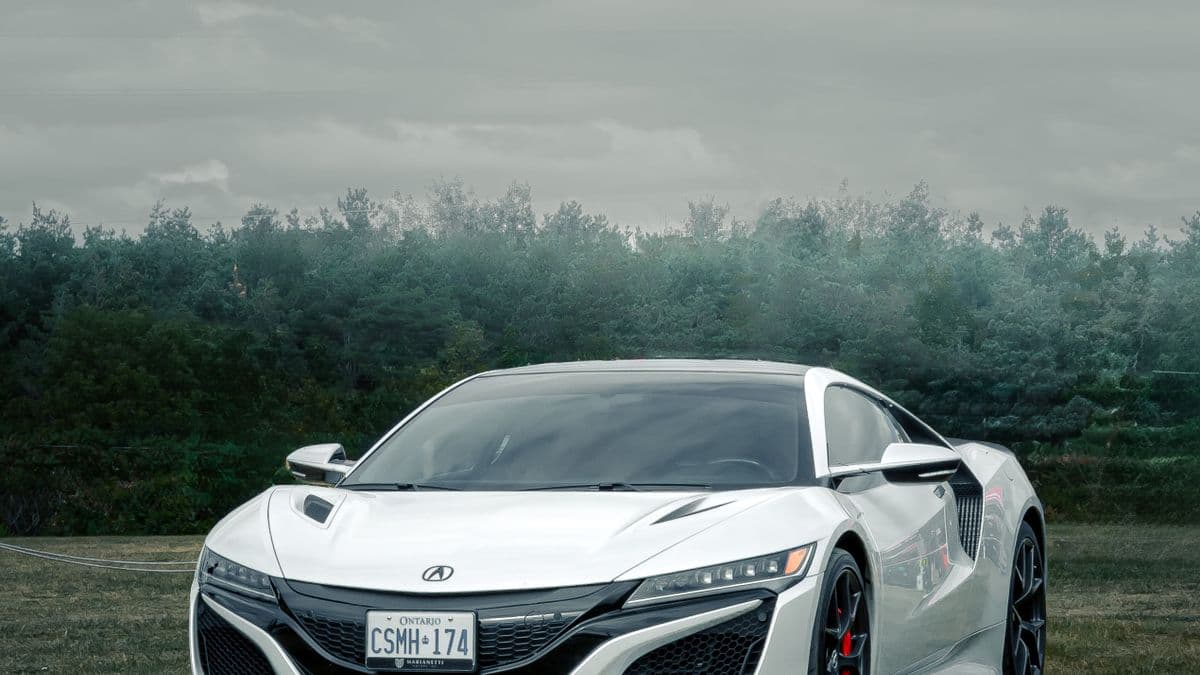
This is a U.S. buyer check for the 2017 to 2022 NSX, including the 2022 Type S. The earlier NSX uses different equipment. The cover photograph shows an illustrative Gen 2 car. It does not show a brake inspection or establish which rotors are fitted.
Contents 7 sections
Confirm the option before discussing condition
Acura's 2017 chassis description identifies iron brake discs as standard and carbon-ceramic discs as a factory option. Its 2019 equipment list still lists standard iron rotors and optional carbon-ceramic rotors. Acura's 2022 Type S options include carbon-ceramic brakes and a Lightweight Package. A Type S badge alone does not prove that either option was ordered.
Start with the vehicle identification number, or VIN. Ask for the original window sticker, a VIN-linked build record, or an Acura dealer's equipment confirmation. Match that record to the number on the car and title. The original record tells you what left the factory. It cannot show whether a later owner changed a rotor, caliper, or other part. Have the inspector identify the equipment now installed at all four wheels.
Caliper color is a weak shortcut. Acura offered several colors with its carbon-ceramic option in 2019 and 2022. A red caliper in a listing photo is neither a factory option record nor a condition report. A close photograph may help the shop prepare, but the shop still needs to see the parts on the car. Ask it to note any mismatch between the factory record, installed hardware, and invoices.
Give the specialist a brake-specific job
Book an independent pre-purchase inspection with a workshop that can assess Gen 2 NSX brakes. Ask what the shop can measure or document before you book. The Federal Trade Commission recommends an independent inspection for a used car; a vehicle history report cannot replace one. Receive the completed report directly from the inspector.
Request findings for each front and rear corner. The report should identify the installed rotor and pad type, visible damage, pad condition, and any fluid leak or brake-system warning. Ask the specialist to name the factory procedure and limit used for each assessment. A line that says “brakes good” leaves you unable to tell what was checked. A photograph can support a finding, but it does not measure remaining service life by itself.
Keep the assessment method in the report. We did not find a public Acura rotor wear threshold that applies to every Gen 2 NSX. Do not use a number copied from another model or a different brake system. Ask the shop to cite the service information for this VIN, model year, and installed parts. If a required measurement cannot be made during the agreed inspection, mark the result unknown and ask what further work would settle it.
Check the pad and rotor record separately. A seller may have an invoice for new pads while the original rotors remain. Another invoice may name one damaged corner. Ask for part numbers, dates, mileage, and the work order's findings. Have the specialist match them to the present equipment. A statement that “the brakes were done” should become a list of parts and corners before it affects your price.
Acura's 2019 ServiceNews article gives specific carbon-ceramic pad installation instructions for 2017 to 2019 NSX cars. It distinguishes inner and outer sensor wiring and front and rear pad pins. That bulletin shows why an installation record deserves close reading. It does not establish that a later model uses the same parts or that any particular used car was installed incorrectly. If a past brake job is unclear, ask the specialist to inspect the completed work against the procedure for that car.
Read the road test with the physical findings
Acura's 2022 brake guide says its high-performance system can squeal under some driving conditions. It also says an occasional initial squeak can be normal. The same guide describes a continuous metallic friction sound as a wear-indicator warning for models with iron discs. Do not apply that iron-disc note as a carbon-ceramic inspection rule.
Ask the specialist to record when any noise occurs, what brake type is fitted, and what the lift inspection found. Noise alone does not name a failed rotor. Silence does not prove one is healthy. A soft pedal, pulling, visible damage, a leak, or a warning needs diagnosis before the car is driven further. Let the inspector set a safe test plan. If the inspector cannot complete the road test safely, the report should say so.
The 2022 Maintenance Minder guide includes front and rear brake inspection under service item B. It also calls for brake-fluid replacement every three years, independent of the display. Use the manual for the car's own model year. A cleared reminder is not an invoice. Match the fluid service and brake inspection to dated records, then compare them with the present findings.
Use one sheet to close the evidence gaps
Send this request to the seller and inspector. Record each answer beside the table as a document, a measured finding, or “unknown.” The table is a work request. Only the completed inspection supplies condition evidence.
| Question | Evidence to request | If the answer remains open |
|---|---|---|
| What was fitted when new? | VIN-linked window sticker, build record, or dealer equipment confirmation | Ask an Acura dealer to confirm the original brake option. |
| What is fitted now? | Corner-by-corner part identification and photographs from the inspector | Have the specialist resolve any mismatch with the factory record. |
| What condition are the pads and rotors in? | Written findings, method, applicable limit, and any measured result for each corner | Ask what further inspection would establish the result. |
| Was earlier work completed correctly? | VIN-matched invoices with date, mileage, part numbers, and affected corners | Ask the shop to inspect unclear work against the correct service procedure. |
| Is the system safe to test? | Warning check, leak check, physical inspection, and safe road-test findings | Stop the test until the concern is diagnosed. |
| What work is due? | Written diagnosis and itemized local quote for this fitted system | Keep the cost unknown until the shop defines the job. |
Read across a row before moving on. A factory option record answers the first question. It does not answer the third. A fresh pad invoice answers part of the fourth. It does not give the current rotor finding. This separation lets you ask one direct follow-up instead of accepting a broad claim that the car “needs nothing.”
One listing, three possible calls
Consider a hypothetical 2019 U.S. NSX listing. The seller says it has carbon-ceramic brakes and sends a photograph of red calipers. There is an invoice for front pads, but no VIN-linked option record or rotor assessment. These inputs are invented to show the decision method. They describe no observed car, sale, or repair cost.
First, obtain the factory equipment record and have the specialist identify all four fitted brakes. Next, read the front-pad invoice for the exact parts and work performed. The 2019 Acura bulletin makes the installation method a useful question for the shop. Then get current pad and rotor findings for every corner, plus a safe road test if the inspection permits one. Keep the rotor condition open until the inspector provides a method and result.
If those checks agree and the shop finds no unresolved brake issue, you can move to the rest of the Gen 2 NSX inspection. If one rotor needs work, request a written scope and quote before you set a walk price. If the shop cannot assess a material concern, stay at Check. If the seller blocks access or presses for a deposit while a brake safety concern remains open, Walk.
Put the finding into the price discussion
Compare the exact car with completed sales for a similar model year, trim, equipment, condition, and market. Keep any listing's asking price separate from a completed transaction. The NSX market page gives model-group context. Check the range and comparable count before applying it to a carbon-ceramic or Type S car. The original 2022 option price was a new-car charge. It is not proof of today's resale premium or repair cost.
Use the specialist's written quote for diagnosed work. Ask whether the quote includes the correct parts, labor, and any follow-up checks the shop requires. If a seller offers a discount instead of repair, compare the discount with that scope. If the condition remains unknown, do not fill the gap with a guessed replacement number. Either complete the inspection or choose a walk price that reflects your own limit for uncertainty.
Once the brake finding and other records are clear, run a free Value Check before you send a deposit. Use the actual listing. Its estimate is informational buyer intelligence, not an appraisal, investment advice, or an offer to buy or sell. Read its range and comparable count alongside the inspection report.
Deal, Check, or Walk
Deal: The factory record and fitted brakes agree. The specialist has completed the inspection and safe road test. Diagnosed work fits your walk price.
Check: A rotor finding, repair record, or brake warning still needs an answer. Pause the deposit and ask the specialist for the next test or quote.
Walk: The seller blocks an independent inspection, or a brake safety concern cannot be resolved. Leave the car until the concern is resolved.
Sources checked September 30, 2026: