Tessa Kovac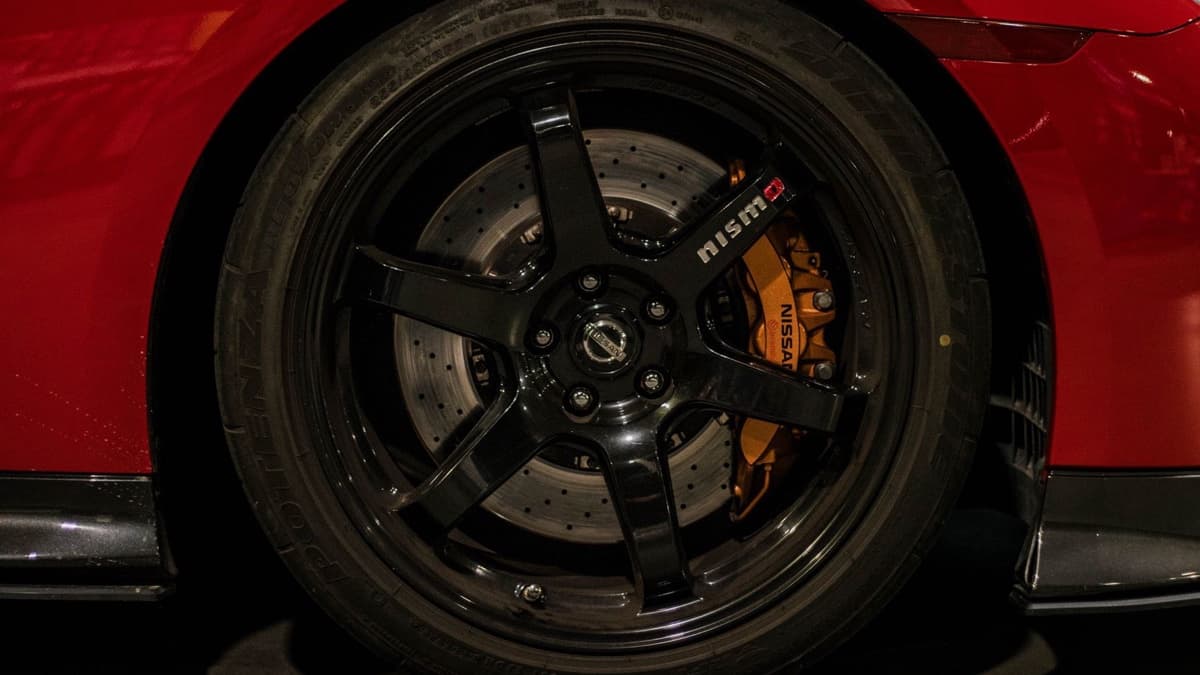
Uneven tire wear on a Nissan GT-R R35 calls for an inspection of all four tires and a current alignment report. Check the inner shoulders, not only the tread you can see beside the car. Ask a GT-R specialist to measure brake pad and rotor condition at the same visit. Then get written quotes for the work found before you set your walk price. A seller's claim that "they all wear like that" cannot tell you whether this car is safe or what it needs.
Nissan says the GT-R's performance tires can wear unevenly and have a shorter life than tires on a typical car. Its 2024 U.S. owner's manual makes that point. The same manual warns that toe-out can damage the inside of a tire through heat. Both statements can be true. Expected wear does not excuse a damaged inner shoulder or settle the cause.
This is a U.S. R35 buyer check. Earlier Skyline GT-Rs and cars built for other markets need their own documents. The cover shows a GT-R wheel, not a measured inspection result. Exotic Index provides informational buyer estimates. This guide is not an appraisal, investment or financial advice, or an offer to buy or sell a vehicle.
Contents 6 sections
Match the year and brake system
Get the vehicle identification number (VIN), model year, trim, and wheel specifications before comparing records. Match the VIN on the car to its title and invoices. Ask whether the wheels, tire sizes, suspension, or brakes changed after delivery. A badge and a photograph do not establish the current equipment. The R35 pre-purchase inspection guide covers the rest of the car; this check stays with tires, alignment, and brakes.
Keep year-specific instructions with the right car. Nissan's 2017 GT-R service guide calls for alignment measurement and adjustment as part of its Performance Optimization Services. It also provides different alignment guidance for different use and versions. That guide cannot prove the alignment of a GT-R for sale today. Ask for the dated printout from the car's most recent alignment and the settings used.
The brake question also changes with equipment. The 2024 U.S. manual separates cars with the Nissan Carbon Ceramic Brake package, called NCCB, from cars without it. Confirm the fitted system from the VIN, records, and a specialist's inspection. A quote for standard brakes cannot price work on a car fitted with NCCB.
Read all four tires
Ask the seller for clear photographs of each tire's inner shoulder, center, outer shoulder, and sidewall. The inside edge can hide from a normal listing photograph. A lift inspection is the better way to see it. Ask the specialist to record tread depth across each tire, note cracks or bulges, and photograph any exposed material or localized damage. A depth number from the center groove alone leaves the shoulders unanswered.
The National Highway Traffic Safety Administration's tire guide says tires should be replaced at 2/32 inch of tread. It also names cuts, cracks, bulges, and irregular wear as reasons to stop using a tire and get professional advice. Nissan's 2024 manual says to replace tires when their wear indicators show. Use the inspector's measurements and condition report. Do not ask a photograph to certify a tire that needs hands-on examination.
Read each tire's sidewall for the size, type, and manufacturing date code. NHTSA explains that the last four digits of the tire identification number give the week and year of manufacture. The full code may appear on only one side. Old tread can still look deep. Ask the tire professional to judge age, damage, and the exact car's fitment together. Keep the tire invoice and date code in the same file so a seller's "new tires" claim has a date.
Match all four fitted tires before assuming one replacement will do. Nissan's 2024 manual recommends replacing the set of four. It allows one damaged tire to be replaced in some cases after its condition is assessed. Mismatched type, size, construction, or tread pattern can create circumference differences and harm the drivetrain. Ask a GT-R qualified shop what this particular set needs. Four tires are a possible quote, not an automatic verdict from one damaged tire.
Check cold tire pressure against the label in the driver's door opening. Nissan's 2024 manual says pressure changes with temperature and that its monitoring system does not replace regular checks. A low-pressure warning needs an answer before a road test. A pressure reading alone does not identify why a shoulder wore faster. Record the pressure, the visible pattern, and the inspector's findings separately.
Ask why the inner edge wore
Put the alignment printout beside the tire photographs. Nissan's 2017 service guide warns that toe-out can cause uneven wear or damage on the tire's inside through heat. It says the alignment should be measured and adjusted at the stated service points. A printout made before another owner changed wheels or suspension cannot describe the car's current setup. Ask the specialist to check the hardware and measure the alignment now.
The same guide shows why a single "factory spec" claim is too loose. Its alignment guidance varies with version and intended driving. A track setting deserves a clear explanation on a road-driven car. Ask which year and trim data the shop used. Check the tire pressure and ask what the before-and-after readings mean. A corrected number does not repair a tire already damaged by wear or heat.
If the seller has no alignment record, do not diagnose the cause from a tire photograph. Road impacts, changed suspension parts, wheel changes, and previous tire use all belong in the specialist's investigation. A worn inner edge is an observation. The inspection has to identify the present cause and decide whether the car can be driven safely. Hold the road test if the tire is damaged or the specialist advises against it.
Measure the brakes separately
Have the specialist record remaining pad material and rotor condition for each corner. Ask for clear photographs and the measurements used against the applicable Nissan service limits. A fresh tire set says nothing about the brakes. Nor does brake dust alone prove the pads are worn out. Nissan's 2024 manual describes dust and some noise as characteristics of its standard high-performance pads, while also calling for regular inspection.
Treat a high-pitched scraping wear warning as a reason for prompt brake inspection. Nissan describes that warning for 2024 cars without NCCB. Other noises need context. The manual describes some sounds after moisture or gentle stops, but it also discusses pad and rotor damage. A phone recording cannot measure a pad or a rotor. Ask the specialist to state the cause, affected corner, and required work in writing.
Do not quote a full brake set from an internet estimate. For 2024 standard brakes, Nissan generally recommends replacing pads and rotors together on all four wheels. The manual allows pads alone in some cases when a GT-R certified technician confirms that choice. For NCCB, the manual describes a different assessment, including measured rotor weight and checks for scratches and cracks. These are service decisions for the car in front of the shop. Get a written, VIN-specific parts and labor quote once the inspection identifies the work.
One R35, two open questions
Use this evidence sheet for a hypothetical 2017 U.S. R35. The observations below are invented for the example. They are not a report on a real car. The sheet separates what a buyer sees from what a specialist must establish.
| Hypothetical observation | Evidence to request | Decision before a deposit |
|---|---|---|
| Both front inner shoulders look more worn than the centers. | Four-tire tread measurements, inner-edge photographs, current alignment readings, and a check of suspension and wheels. | Hold the road test if either tire is unsafe. Price tires only after the shop identifies the needed set and cause. |
| The seller has a tire invoice but no alignment printout. | VIN-linked invoice, fitted tire sizes and dates, and a new alignment report for this car's current setup. | Keep the cause open. A tire receipt cannot close the alignment question. |
| The brakes make a brief noise on the first stop. | Pad and rotor measurements at every corner, photographs, and a diagnosis under the exact car's service instructions. | Keep brake cost unknown until the shop names the work. Do not infer failure or a clean bill from sound alone. |
Start with the first row. If the inspector finds tire damage, safety comes before a test drive or a price negotiation. The missing alignment report in the second row leaves a different question: why the tires wore as they did. A new alignment check may find an adjustable setting or more work. The third row cannot be closed by repeating the seller's description of the noise. The pad and rotor report decides whether it is a documented characteristic or a repair item.
Ask the shop for separate quotes for the tire set, alignment or suspension work, and any brake work it actually finds. Put the written amounts beside the asking price. There is no sample dollar figure here because size, equipment, condition, and local labor remain unknown. The Federal Trade Commission recommends an independent used-car inspection with a written report and repair estimates. A proposed inspection scope is only the start. Wait for the completed report.
Deal, Check, or Walk
A Deal needs matching tire and brake equipment, safe measured condition, and records that explain the wear. Then compare the asking price with relevant completed sales for similar R35s on the GT-R market page. Keep asking prices separate from sold prices. Run a free Value Check on the exact listing after the inspection sets the cost of known work. The Value Check explanation shows what that estimate can and cannot settle.
Choose Check when the inner shoulders, alignment, or brake measurements remain open but the seller allows a proper inspection. Put each finding and written quote into your walk price. Walk if the seller blocks a reasonable independent inspection. Walk if a specialist finds an unresolved tire or brake fault that makes the car unsafe. You can admire the R35 and still leave the deposit in your account.