Tessa Kovac
A modified Nissan GT-R R35 can be a sound purchase when the changes are known, documented, and checked on the car. Before you agree on a price, ask for a complete list of installed hardware and software. Get the work invoices and records of parts removed or changed back. Send that pack to an independent R35 specialist. A seller's power claim or a clean dashboard cannot tell you whether the current setup is sound.
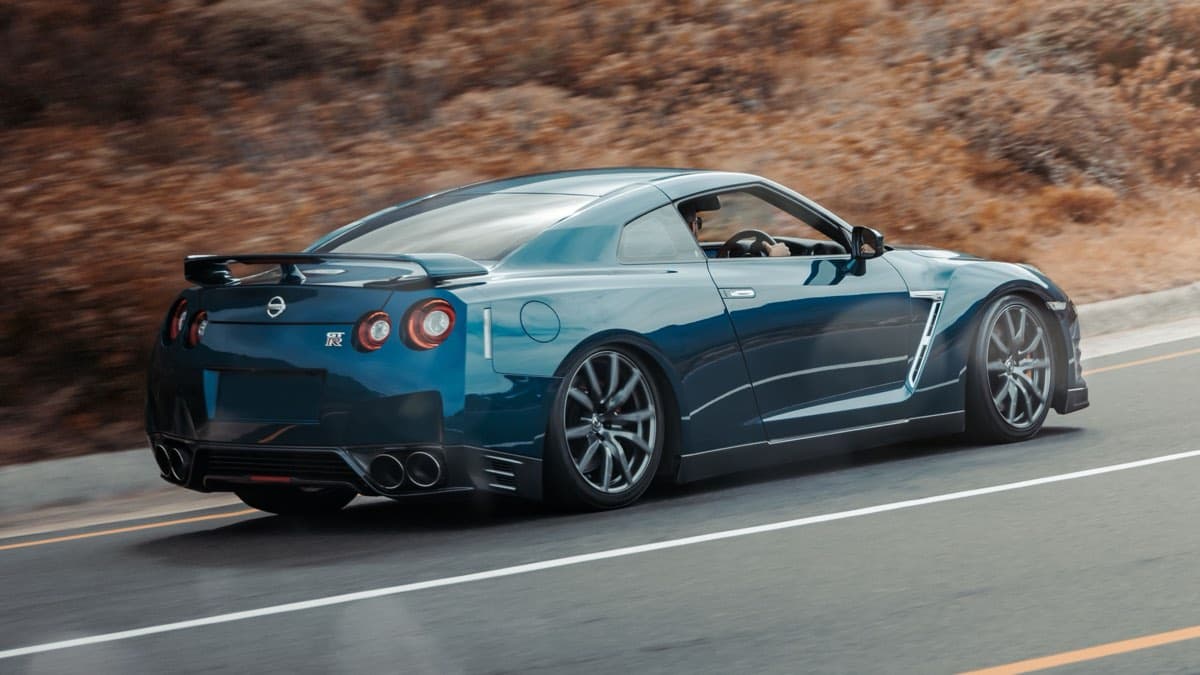
Start with the vehicle identification number (VIN), model year, trim, and market. This guide addresses the R35 sold in the United States. A 2024 U.S. warranty booklet has specific rules for modifications; do not apply those terms to a different year or market without its own documents. The cover photograph is illustrative. It does not show a car assessed for this guide.
Exotic Index provides informational buyer estimates. This guide is not an appraisal, investment or financial advice, or an offer to buy or sell a vehicle.
Contents 6 sections
Identify the car before the changes
A parts list has little value until you know which R35 it describes. Get the VIN from the car, its title, and the seller's records. Confirm the model year and trim through a Nissan dealer or the original vehicle documents. Match the VIN and mileage on each invoice to the car. A parts receipt without a VIN may still help identify a component, but it cannot prove installation on this GT-R.
Nissan's 2024 GT-R owner's manual says the car needs special knowledge and equipment for the engine, transmission, suspension, and brakes. It recommends a GT-R certified Nissan dealer for maintenance. An independent specialist who knows the R35 can still inspect a used car; ask what tools and systems the shop can actually check. The general R35 pre-purchase inspection guide gives that broader scope. Here, the extra job is to establish what changed and how it affects the inspection.
Record the car's present equipment before comparing it with a stock GT-R. Wheels, tires, brakes, suspension, intake, exhaust, cooling hardware, and electronic settings can all change between owners. A factory trim badge does not list later work. Ask for dated photographs of the engine bay, wheels, underside, and any removed original parts. Have the inspector compare the list with the car on a lift. A missing item stays an open question; it is not proof that the seller concealed a change.
Build a record for each modification
Ask the seller for one line per change. Name the part or software, who fitted it, when, at what mileage, and whether it remains on the car. Attach the invoice, part number, and any configuration or calibration record. If a component was replaced twice, keep both invoices in order. A later receipt may show a repair or a revision, rather than a second installed part.
Software deserves its own line. The 2024 Nissan warranty booklet says computer or control-module changes void all coverage under that year's new-vehicle limited warranty. Its list includes adding, replacing, or reprogramming a module, attempts to reprogram it, and deleting stored information. It also excludes damage caused by certain alterations and nonapproved parts. That is the stated 2024 U.S. warranty language. Ask a Nissan GT-R certified dealer to check any claimed remaining coverage for the exact VIN and review its applicable booklet. Do not assume a seller's statement that a tune is “reversible” restores coverage.
A map file name or power figure does not establish the software currently loaded. Ask the installer what was changed, which hardware the calibration expects, and what record identifies the present version. Keep the answer with the parts list. If the car has changed hands since the work, ask who can explain later updates. The inspector can compare the available records and diagnostic information with the installed setup, then state what remains unverified. Do not treat a missing electronic trace as proof that no tune ever existed.
Ask about parts removed before sale as carefully as parts added. A seller may return the intake or exhaust to stock while leaving other settings or hardware in place. Request the removal invoice, the parts returned, and a specialist check of the current configuration. “Back to stock” is a description to verify on this car, not a condition grade.
Give the specialist a modification brief
Send the records before booking the inspection. Ask whether the shop works on this R35 year and can evaluate its specific changes. The Federal Trade Commission's used-car advice recommends an independent mechanical inspection. It says a vehicle history report cannot replace one and recommends a written report with the VIN and repair estimates. Agree on the scope first; the completed findings, photographs, and measurements are the evidence.
Use this request sheet with the seller and inspector. Fill the evidence column with actual files or findings for the candidate car. The last column tells you what remains open when the file is thin.
| Change or check | Evidence to request | Inspection decision if evidence is missing |
|---|---|---|
| VIN and specification | VIN on car and documents, model year, trim, and market | Confirm identity before matching parts or comparable sales. |
| Hardware now fitted | Itemized parts and installer invoices, part numbers, current photographs | Identify the installed part and its condition on the car. |
| Software and settings | Installer record naming the calibration and hardware it expects | Ask the specialist what can be verified; leave unknown settings open. |
| Removed or revised parts | Dated removal invoice, earlier parts list, and current configuration | Compare claimed reversal with current hardware and available diagnostics. |
| Service after changes | VIN and mileage-stamped maintenance and repair invoices | Check whether the work matches the applicable year's service guidance. |
| Current condition | Lift findings, system scan, road test, and repair scope | Price diagnosed work. Pause if a material system cannot be checked safely. |
Read across each row. A receipt proves a billed part or service, not today's condition. A lift photograph can show current hardware, but it will not identify a hidden software map. A scan can record faults or settings the tool exposes, but it may not reconstruct every past change. Ask the shop to state the limits of each check instead of turning an incomplete row green.
The road test should follow the shop's safety judgment. An independent inspection need not include a hard launch or a demonstration of the seller's power claim. If a warning or unsafe behavior appears, stop the test and get a diagnosis. Keep the R35 transmission guide separate: it explains how normal GR6 behavior and specific symptoms need different evidence. A claimed high-power setup is a reason for a careful drivetrain review, not a diagnosis by itself.
A 2024 GT-R with a thin file
Consider a hypothetical U.S.-market 2024 R35. The listing says the car has an intake, exhaust, wheels, and an engine tune. The seller supplies a wheel invoice and photographs of the engine bay. There is no installer record for the tune, no intake or exhaust invoice, and no document showing whether any factory parts were kept. These inputs are invented to show the method. They are not an observed sale, an inspection, or a repair result.
Start the request sheet with four open rows. The wheel invoice helps identify one purchase, but the inspector still has to confirm the wheels fitted and check the tires and clearances. The photographs may show some hardware; ask the shop to identify it in person. The software version, its expected hardware, and any later revisions remain unknown. A seller's estimate of power cannot close those gaps.
The 2024 warranty language makes the software question consequential even if the car runs well. Ask the GT-R certified dealer about coverage on this VIN; do not promise that a dealer will accept or deny a particular claim. Send the missing record questions to the installer if the seller can identify one. Book the specialist only after agreeing that the report will state which changes were confirmed and which could not be checked.
Suppose the seller produces the installation records before inspection. The next step is still a current examination. If the records and car match, request a written finding on condition and any work due. If the installer cannot be identified and the specialist cannot establish the current calibration, leave the tune unverified. You can pause the deal or choose another car. There is no defensible repair figure or discount to calculate from these hypothetical facts alone.
Put safety and price in separate files
Run the exact VIN through NHTSA's recall lookup and ask a Nissan dealer about open campaigns and completed work. NHTSA says its VIN tool omits completed recalls and some recent campaigns before all VINs are identified. It also omits recalls over 15 years old unless the manufacturer offers more coverage, plus some small manufacturers, non-safety campaigns, and international vehicles. It does not assess an aftermarket part or clear the car's condition. If a recall is open, follow the manufacturer's interim safety instructions before any test drive and confirm the remedy. A recall search and a modification inspection answer different questions.
For price, compare the exact model year, trim, mileage, condition, and market with completed sales where the sale status is documented. Record each sale date and the comparable count behind any range. Active listings are asking prices. They do not show what another buyer paid, and a seller's parts bill does not establish resale value. The R35 market page can help set model context; check whether its examples actually match this car. Keep the modification file beside the comparable set so you can explain any adjustment rather than assume the parts add value.
Set a walk price from the car you can document. Deduct a written quote for diagnosed work from what you would otherwise pay. For an unverified tune or inaccessible system, ask for further evidence rather than insert an invented repair cost. A Value Check can give an informational estimate for the listing; read its range and comparable count. It does not inspect the modified hardware or validate the software.
Deal, Check, or Walk
| Call | Evidence on the exact R35 |
|---|---|
| Deal | Changes are itemized, the current car matches the records, an independent inspection is complete, and any diagnosed work fits your walk price. |
| Check | The installation file is incomplete, a claimed reversal lacks proof, or a material inspection result is still open. Request the named evidence before you commit. |
| Walk | The seller blocks an independent inspection or hides a material change. An unresolved safety concern or unknown software sold as proven also stops the deal. |
Keep the seller's list, invoices, inspection report, and price comparison together. If one material row remains open, name it in the offer conditions or pause before you send a deposit. A modified GT-R deserves a decision based on the car in front of you and the work that can be proved.
Sources checked September 24, 2026: