Tessa Kovac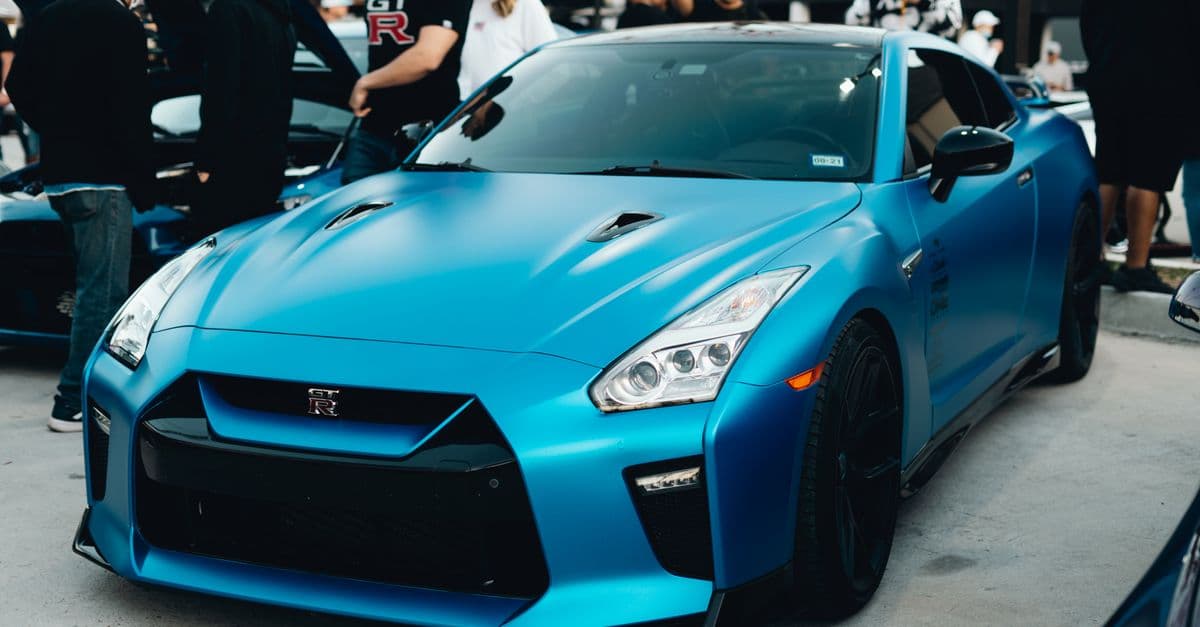
No. A recall check and a pre-purchase inspection answer different questions.
The NHTSA VIN recall lookup can show whether a vehicle has an open safety recall. An independent pre-purchase inspection, or PPI, looks at the condition of the specific used car. Run the VIN search first, then give the result to the inspection shop.
One clean result does not clear the whole car.
Contents 6 sections
What a recall lookup can tell you
Enter the full VIN in NHTSA's recall lookup. Save the result with the date and VIN. If it shows an open recall, ask the selling dealer or brand dealer how the remedy will be completed and whether parts are available.
NHTSA says its VIN tool may not show completed recalls and may not show newly announced recalls immediately. Ask the brand dealer to check applicable campaigns and completion records for the VIN as well.
Keep the result with the seller's service file. It is a safety-record check, not a mechanical report.
What it cannot tell you
A recall lookup does not assess tires, brakes, paintwork, fluid leaks, electronics, body repairs, service gaps, modifications, or current diagnostic findings. It also does not prove the seller's repair story.
The FTC recommends an independent mechanical inspection when buying a used car, including when a dealer says the vehicle is certified. Choose the shop yourself and ask for its written report.
The shop should state what it checked, what it observed, and what it could not assess. A general green light is too vague for an expensive car.
Use the two checks in order
- Get the complete VIN before any deposit.
- Run the NHTSA recall search and save the result.
- Ask a brand dealer about applicable campaigns and completion evidence.
- Send the VIN, recall result, listing, and service records to your inspection shop.
- Book a PPI that includes a lift inspection and a safe road test where conditions permit.
Ask the shop to flag any condition that could affect the scope of a recall remedy. A completed recall and a current fault can both be true.
Keep title history in its own column
Run a title-history check too. The National Motor Vehicle Title Information System can report certain title, brand, odometer, total-loss, and salvage information. It does not replace a recall check or an inspection.
Use three folders: recall evidence, title-history evidence, and inspection evidence. Each has a different job. Mixing them can hide what remains unknown.
When to walk
An open recall is not automatically a walk. Ask whether the car can receive the remedy and whether its condition prevents a safe inspection or test.
Walk when the seller will not provide the VIN, blocks an independent inspection, or cannot explain conflicting documents. You can like the car and still leave the money in your account.
After those checks, Run a free Value Check for the exact listing. It does not replace recall, title, or inspection evidence. See the GT-R market page and GT-R inspection checklist for a model-specific example.
Deal, Check, or Walk
| Call | Evidence | Next move |
|---|---|---|
| Deal | Recall, title, and inspection records each have clear results | Price the verified car and complete transfer checks. |
| Check | A recall or inspection finding still needs evidence | Pause until a dealer or specialist supplies it. |
| Walk | The seller will not give the VIN or allow independent inspection | Do not proceed. |
Exotic Index provides informational buyer-intelligence estimates. They are not appraisals, investment or financial advice, or offers to buy or sell a car.
Do not rely on Exotic Index alone. Always review title, service history, accident history, ownership records, seller documentation, and obtain an independent pre-purchase inspection before buying.
Sources (3)
Sources checked
Sources were checked on September 21, 2026.