Tessa Kovac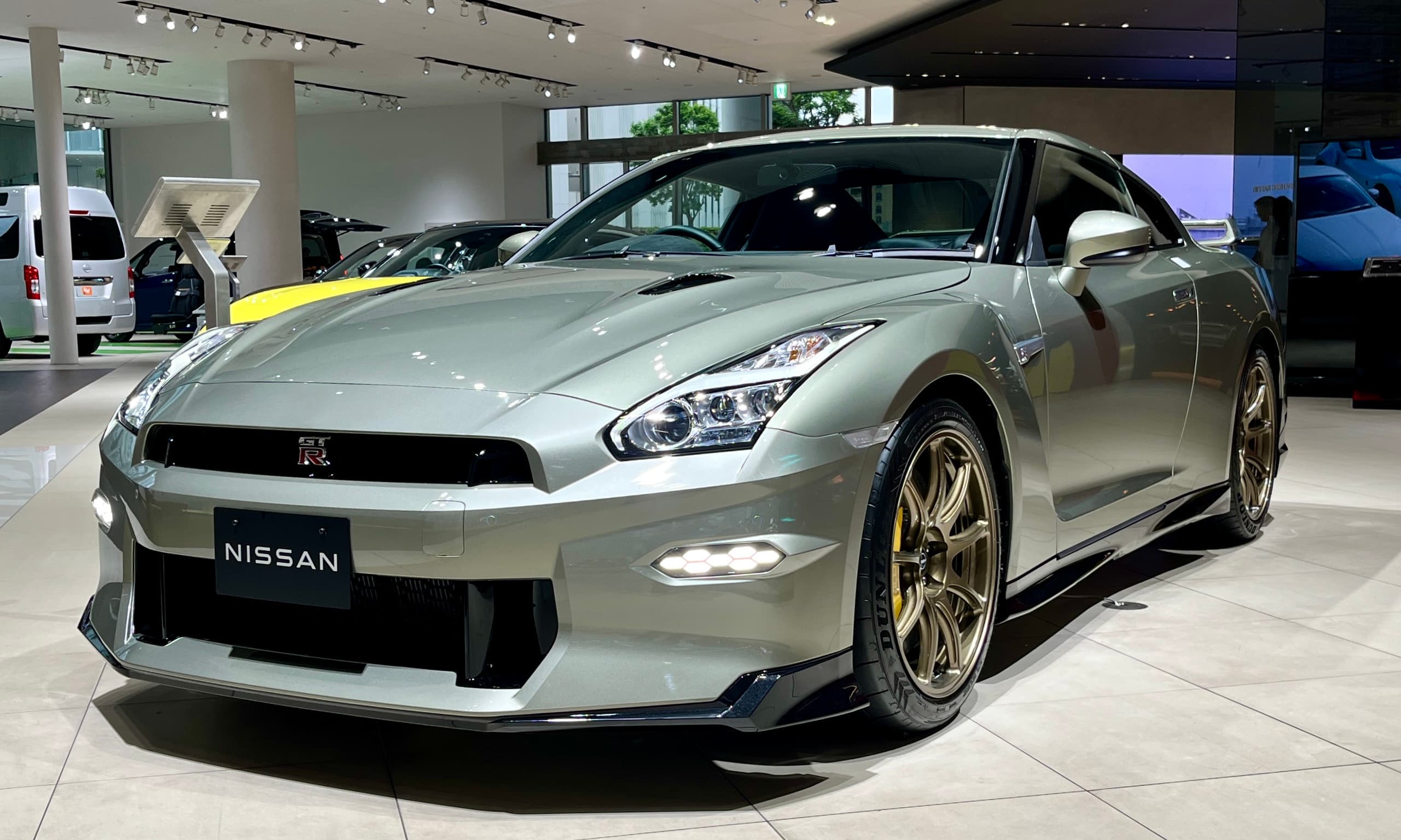
Nissan GT-R R35 model years and trims differ enough to change a buyer's comparison. Start with the vehicle identification number (VIN), then confirm the U.S. model year and factory version. Match those facts to the window sticker, Nissan literature, and service records. Only then compare another car's equipment, maintenance, or sold price.
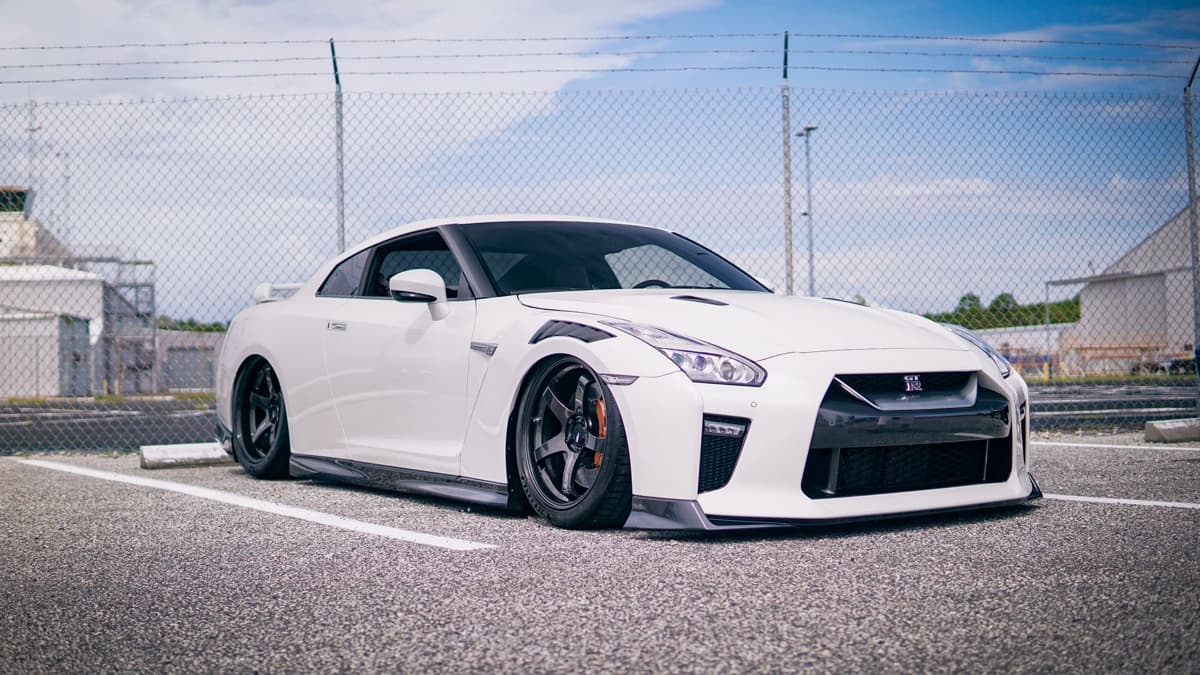
The R35 name covers early cars, the redesigned 2017 car, and later special versions. Premium, Black Edition, Track Edition, NISMO, and T-spec do not describe one fixed equipment list across every year or country. A seller's badge photo is a clue. The paper decides which car you are buying.
Contents 6 sections
Build the identity file first
Ask the seller for the full VIN, title, original window sticker if available, and clear photos of the car. Match the VIN on the title, dashboard, door label, and dated invoices. Record the model year separately from the build date and first registration date. Those dates can differ without any mistake, but a listing should not use them as if they mean the same thing.
NHTSA's vPIC guide says its decoder uses manufacturer submissions. Run the VIN through the public decoder. An empty trim field does not prove the car was a base version. The public decoder cannot replace Nissan's original sales record or a window sticker for every factory option. Ask a Nissan dealer or qualified GT-R specialist to resolve a trim conflict before comparing equipment.
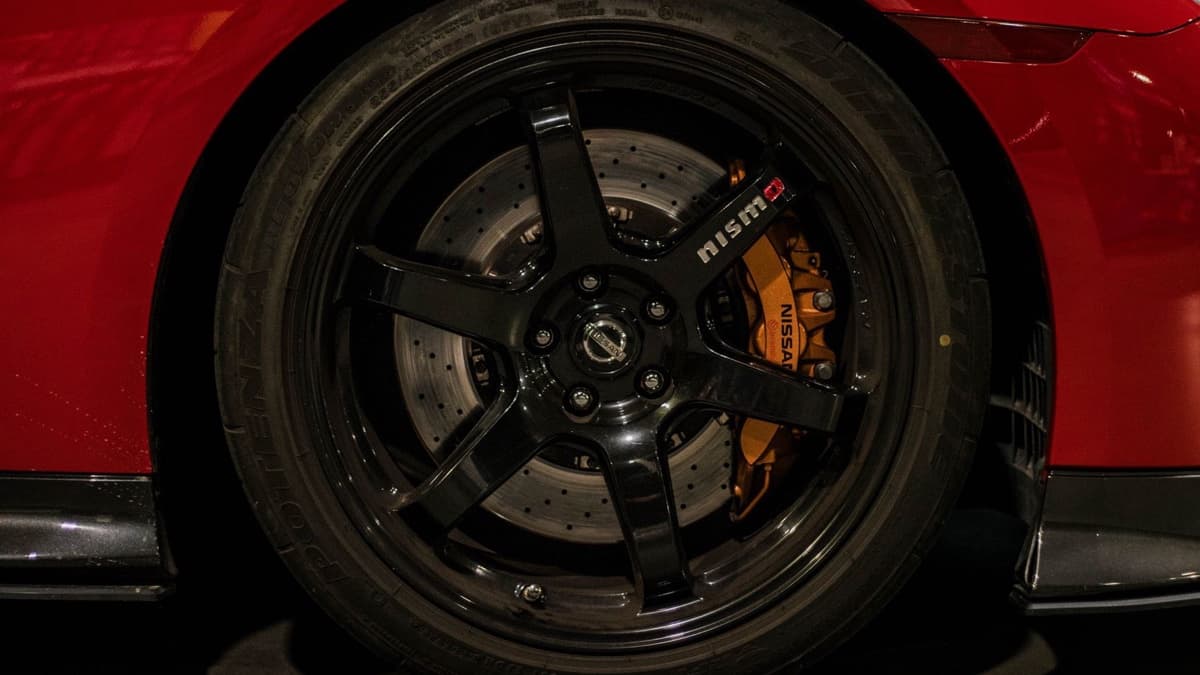
Photographs help you form questions. Wheels, seats, brake parts, paint, and badges can change after delivery. Ask for the original equipment record and invoices for changes. If a seller calls a car NISMO because it wears a NISMO badge, request factory proof. A genuine special version and a modified Premium car need different comparison sets.
Keep the market in the identity file too. Nissan sold different versions in different countries. A Japanese-market specification page cannot prove what a U.S. car received. If the car was imported, confirm the market and import papers with the seller before applying U.S. trim literature. The VIN, paperwork, and equipment should tell one story.
Read the year and version together
Nissan's 2015 U.S. press kit lists Premium and Black Edition with the same stated 545-horsepower engine. Black Edition changes the equipment question. It does not turn every 2015 car into the same purchase. Confirm the factory version, then inspect the present parts and records.
Nissan describes the 2017 update as its largest U.S. R35 makeover since the 2009 launch model. The body, cabin, and transmission behavior changed. Nissan also describes a U.S. Track Edition arriving during the 2017 model year. A 2016 Premium and a 2017 Track Edition therefore differ on more than mileage. Compare the actual equipment and maintenance needs before you compare prices.
The T-spec name needs a year beside it. Nissan's 2021 U.S. announcement places that limited version above Premium. It names wider front fenders, gold RAYS wheels, a carbon-fiber rear spoiler, and carbon ceramic brakes. The 2024 U.S. brochure lists Premium, T-spec, and NISMO as separate versions. A 2024 T-spec listing needs the 2024 brochure, not a blanket claim about every T-spec Nissan sold.
Use this comparison sheet to sort a listing before contacting an inspector. Each row gives an example of the evidence to request. The rows cover U.S. cars in the named years. They are not a complete R35 production list.
| U.S. car to compare | Nissan's year-specific reference | Seller evidence to request | Why it changes the decision |
|---|---|---|---|
| 2015 Premium or Black Edition | 2015 press kit | VIN, version record, parts invoices | Confirm equipment before comparing. |
| 2017 Premium or Track Edition | 2017 press kit | VIN, factory equipment list, service file | The redesign changes the comparison. |
| 2021 Premium or T-spec | 2021 T-spec announcement | VIN, version record, brake records | Confirm the limited version and its brakes. |
| 2024 Premium, T-spec, or NISMO | 2024 U.S. brochure | VIN, window sticker or factory record, brake details, service file | The brochure separates versions and equipment that a generic R35 price cannot. |
Start with the row that matches the claimed year and version. Mark each requested item as received, missing, or conflicting. Then move to a source for that same model year. If the listing sits between the rows, find Nissan's literature for its exact year. The table's purpose is to keep unlike cars out of one comparison, not to declare one version better.
Match the service file to that car
Once you know the version, open the maintenance guide and owner's manual for that exact model year. Nissan's requirements have changed. Our R35 reliability note shows one clear example: the 2009 and 2024 transmission oil schedules give different replacement intervals. Applying the later interval to an early car can make overdue work look current.
Ask for full invoices, with dates, mileage, VIN, parts, and the work performed. Put them in order. A stamp marked "service" cannot prove a transmission setting check, brake work, or a particular fluid change. If an invoice names a different VIN, stop and ask which car received the work. If a large interval has no record, leave it unknown until the seller finds the paper.
Special equipment deserves a named inspection request. The 2021 T-spec announcement names carbon ceramic brakes. Ask a GT-R specialist to identify the installed brake system and report its condition using the applicable Nissan procedure. Do not apply a standard-brake assumption to a car with different factory hardware. A photograph can identify a question; it cannot measure a rotor or prove a repair.
Run an open-recall search by VIN as a separate safety step. NHTSA says its lookup omits some repaired recalls, recently announced campaigns before every VIN is loaded, older recalls, and international vehicles. A clear screen does not prove there was never a recall or that all prior work was completed. Ask Nissan about campaign history and any interim safety instructions before a test drive when a campaign may apply. Then commission an independent inspection for condition. A recall check and an inspection answer different questions.
Keep the price comparison honest
Year and trim tell you which comparable sales belong in the range. Our price-chart method explains why a sold result needs its date, fees, mileage, condition, and exact version. An asking price shows what one seller wants. It is not evidence that another buyer paid it.
First gather completed sales for the same U.S. year range and factory version. Then look at mileage, modifications, records, and condition. A Premium sale should not silently set the value of a documented NISMO. A modified Premium car should not borrow a factory special edition's sale result because the badges look alike. If only a few close sales exist, show the count and widen the range. Do not turn a thin set into a precise walk price.
Put known work beside the comparable range. Ask the inspector for a written diagnosis and repair quote, then subtract that known cost from the most you would otherwise pay. Keep unresolved items open. A low ask can reflect a problem the listing leaves out. Until the seller resolves the identity and condition questions, the discount has no proved reason.
Run one listing through the file
Consider a hypothetical U.S. listing described as a 2021 GT-R T-spec. The seller shows gold wheels and a T-spec badge. Those details fit Nissan's 2021 description, but they do not establish this car's original version. Request the VIN, title, factory record, and dated invoices. Decode the VIN for the basic vehicle facts. Ask Nissan to confirm the factory version if the public result leaves trim unclear.
Suppose the title and VIN match, but the seller cannot provide a factory version record. The car stays at Check. Compare no T-spec sale with it yet. If Nissan confirms the version, ask the inspector to verify its installed brakes and note their condition. Use only sales that match the confirmed version closely enough to explain the comparison. If the seller instead proves a Premium car with added T-spec parts, record those changes and seek Premium comparisons with a similar modification history.
This example contains no real listing, inspection, sale, or repair quote. The result is a process: identify the car, verify the equipment, inspect its present condition, and then price the evidence. Each step can change the next one.
Deal, Check, or Walk on an R35
| Call | When it fits |
|---|---|
| Deal | The VIN, year, factory version, records, and independent inspection agree. Similar completed sales support the proposed price after known work. |
| Check | Trim proof is missing, equipment has changed, or a service gap needs an invoice or diagnosis. Pause the deposit until the named evidence arrives. |
| Walk | The VIN or title conflicts, the seller blocks an independent inspection, or a serious finding stays unresolved. |
You can love the R35 and still walk. Once the exact version is confirmed, use the GT-R R35 market page for model-group context. Then run a free Value Check on the listing before you send a deposit. It gives an informational estimate with a range and comparable count. It is not an appraisal, financial advice, or an offer to buy or sell, and it cannot settle a missing identity record.