Tessa Kovac
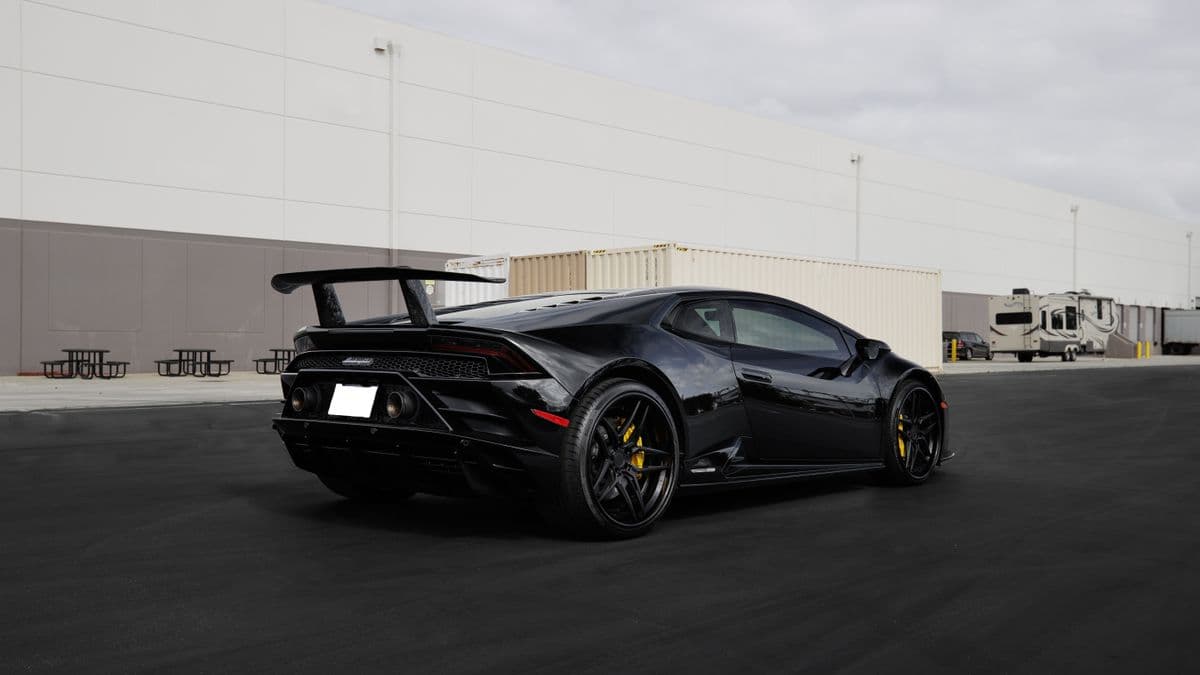
Buy the Huracán if you want the smaller V10 Lamborghini and a seven-speed dual-clutch gearbox. Buy the Aventador if the V12 and its flagship shape are the reason you are shopping. Compare drivetrain, records, recall status, and inspection evidence for two specific cars. The stronger file, VIN-specific recall answer, and independent inspection path decide which purchase can continue.
Lamborghini introduced the Aventador LP 700-4 in 2011 and ended Aventador production in 2022. It used a naturally aspirated V12. Lamborghini introduced the Huracán in 2014 with a V10, all-wheel drive, and a seven-speed dual-clutch transmission. Those are model facts. They do not tell you whether either used car was maintained, damaged, modified, or priced fairly.
This guide helps you separate the model choice from the listing decision. It is informational buyer guidance. It is not an appraisal, investment or financial advice, or an offer to buy or sell a vehicle.
Contents 6 sections
Start with the driving choice
Both cars carry the Lamborghini badge and appear in the same dealer searches. They are different purchases.
| Question | Huracán | Aventador |
|---|---|---|
| Factory starting point | V10, seven-speed dual-clutch, all-wheel drive at launch | V12 flagship launched as the LP 700-4 |
| Model period | Introduced in 2014 | Introduced in 2011; production ended in 2022 |
| Useful first question | Do you want this V10 car and its exact version? | Do you want this V12 car and its exact version? |
| Listing decision | Does its file support its asking price? | Does its file support its asking price? |
Lamborghini's history page describes the launch Huracán as a 610 CV V10 with a seven-speed dual-clutch transmission and all-wheel drive. Lamborghini's Aventador production notice says the 2011 LP 700-4 introduced a new in-house V12 and that the final Aventador was built in 2022.
Choose the engine and format before you compare prices. A tidy Aventador does not become a substitute for a Huracán if you really want the V10 car. A lower-priced Huracán does not become a better deal when you need an Aventador's V12 experience. That preference is yours. The evidence work begins once you have it.
Name the exact version before you ask for a price comparison
"Huracán" and "Aventador" are family names. They do not make one comparable group.
Ask the seller to identify, in writing:
- model year and first-registration market;
- exact model and drive type;
- coupe or roadster body style;
- mileage and the date it was recorded;
- factory options and later changes;
- complete VIN; and
- whether the seller has title, service invoices, and recall records.
The Federal Trade Commission also advises used-car buyers to obtain a vehicle-history report and an independent inspection. Its used-car guidance says a history report can contain ownership, accident, repair, and salvage information. The inspection checks for mechanical or hidden damage that the report may not show.
This protects you from a false comparison. A rear-drive Huracán, an all-wheel-drive Huracán, and a track-focused version can have different equipment and buyer demand. An early Aventador and a later special version are also not interchangeable. Body style, mileage, options, condition, and title history still matter after you identify the badge on the rear.
Use active listings to understand the asking market. They show what sellers hope to receive. Use recent completed sales for a value range, and keep the comparable count beside the range. Then use Value Check to keep the asking price separate from the evidence for one listing.
Compare records before you compare engine notes
Ask for the same file from both sellers. Dated invoices give the stronger service evidence.
Build a simple timeline for each car. Put the service invoice date, mileage, shop, work completed, and open question on one line. Add title documents, past inspection reports, accident or damage records, and listing changes. If a seller says a large job was completed, ask for the invoice that names the car by VIN or registration.
Start with these questions:
- Which work is documented by invoices, rather than a verbal summary?
- What work is due now, based on date, mileage, condition, or an inspector's findings?
- Which parts are original, and which parts have changed?
- Does the mileage record move in a clear sequence?
- What part of the history cannot the seller document?
The fifth answer can decide the purchase. A missing answer leaves a gap in a car that may cost a great deal to correct. Price the gap or walk away from it.
For a Huracán that is priced below similar cars, use our cheap Huracán checklist. It explains why an asking-price gap needs an explanation before you treat it as a saving.
Check recalls by VIN, not by a model search
Use the full VIN in the NHTSA recall lookup. NHTSA says the tool reports unrepaired safety recalls. Its limits include recalls more than 15 years old and an international vehicle. They also include some small or ultra-luxury manufacturers, non-safety campaigns, and newly announced recalls. Confirm the VIN with Lamborghini before a test drive.
Ask an authorized Lamborghini dealer to confirm the VIN result in writing. Ask the seller for invoices that show completed recall work where relevant. Do this before a test drive or a deposit.
If a recall notice or warning affects safety, follow the manufacturer's interim instructions. Confirm recall work with an authorized Lamborghini dealer. A generic model search and a pre-purchase inspection have limited scopes. Keep their results separate from the VIN confirmation.
Order an inspection that compares the two cars fairly
Choose the shop. Do not let the seller choose it for you. Tell the inspector which model and version you are considering, and send the service timeline before the appointment.
Ask for a written report that says what the shop checked and what it could not check. The report should cover identity, diagnostic faults, leaks, cooling, brakes, tires, wheels, paint, body panels, glass, underside, and cabin controls. Include a road test when safe and allowed. Ask the shop to record modifications and whether it could confirm their installation and calibration.
For each car, sort the result into four lists:
- Work needed before normal use.
- Work likely in the first year.
- Items to monitor.
- Items the inspection could not confirm.
The fourth list prevents a false pass. A blocked view, a missing invoice, or an unavailable cold start is an open item. Keep it in the comparison.
A usable comparison example
This hypothetical example describes no real car and predicts no repair cost.
You find a 2017 Huracán and a 2014 Aventador at similar asking prices. The Huracán has a complete service timeline, a VIN-specific recall confirmation, and an inspection that identifies only scheduled work. The Aventador has a lower mileage claim but no invoice for a stated repair. Its inspection cannot verify a warning recorded in a past listing.
The lower mileage does not settle the comparison. The Aventador could still be the right car after the missing evidence is resolved. Until then, the Huracán has the stronger purchase case because fewer important facts are unknown.
Use a simple decision rule
Continue with the Huracán when you prefer its V10 layout. Its records, VIN result, and inspection must explain its condition. Continue with the Aventador when the V12 is the car you want and the specific car meets the same evidence standard.
Pause when a document, warning, modification, or inspection finding needs a costed explanation. Walk when the seller will not provide the VIN, records, or an independent inspection path. A car can be exciting and still fail the evidence test.
For market-level context, visit Exotic Index Market. It can help you begin a model comparison. Use the records and inspection for the car in front of you.
Sources checked September 22, 2026: Lamborghini history and milestones; Lamborghini on the final Aventador; NHTSA recall lookup; FTC used-car guidance.